

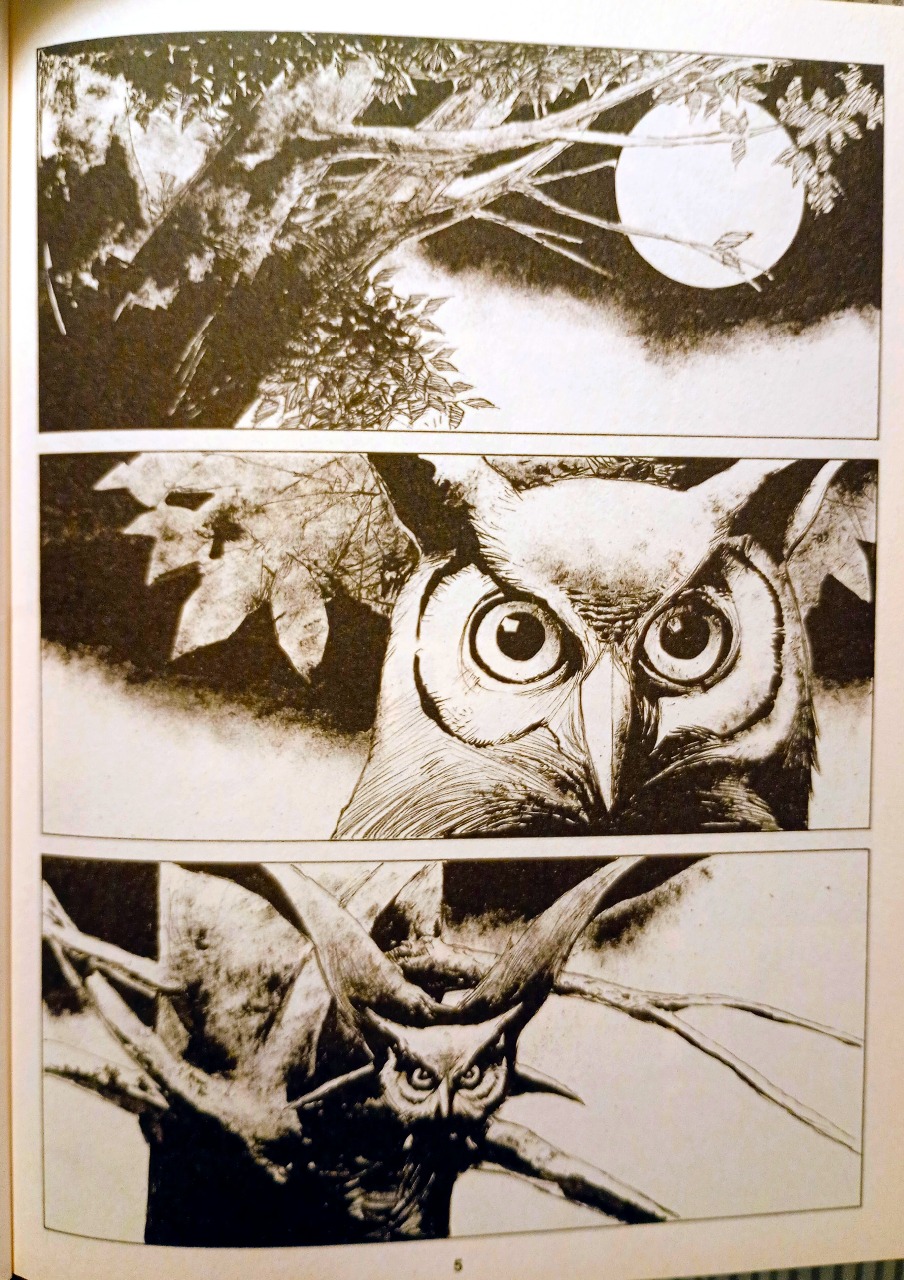
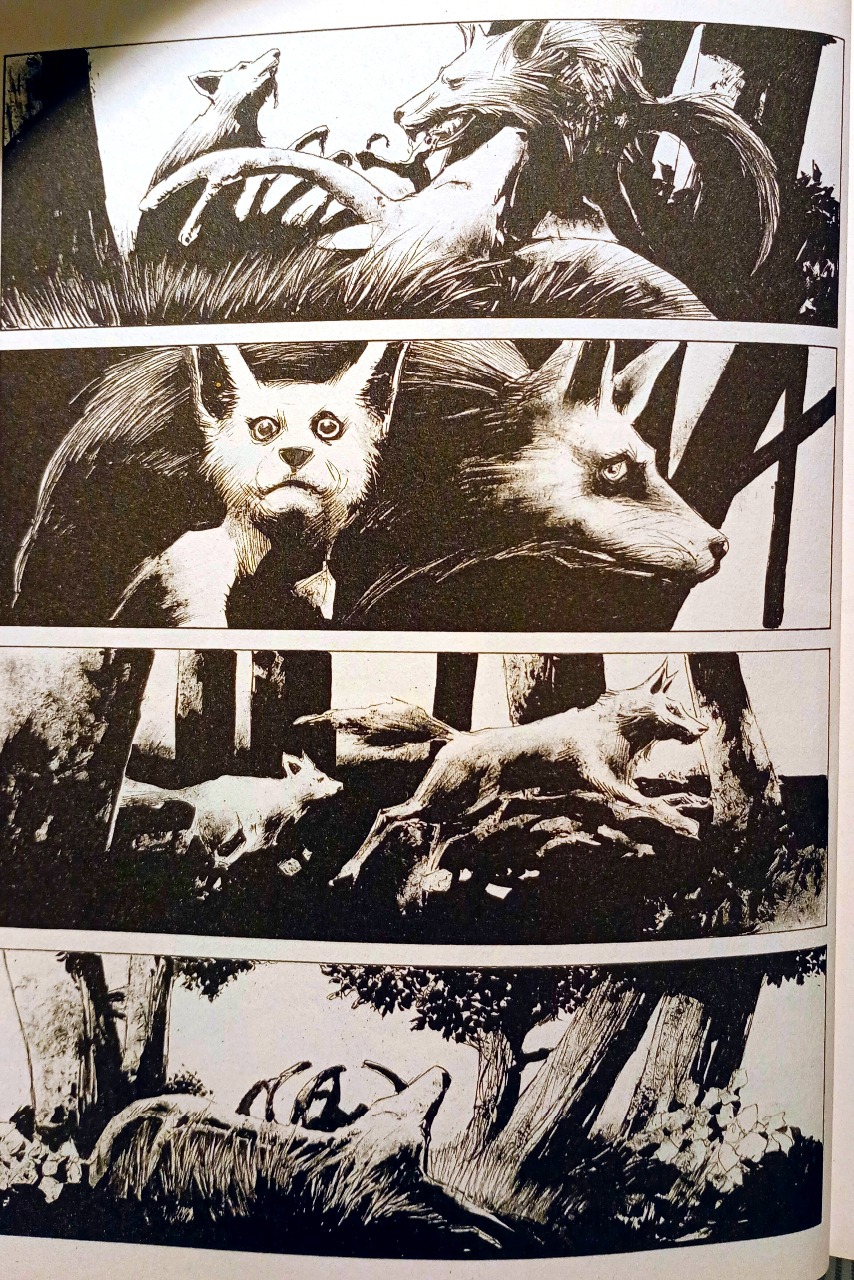
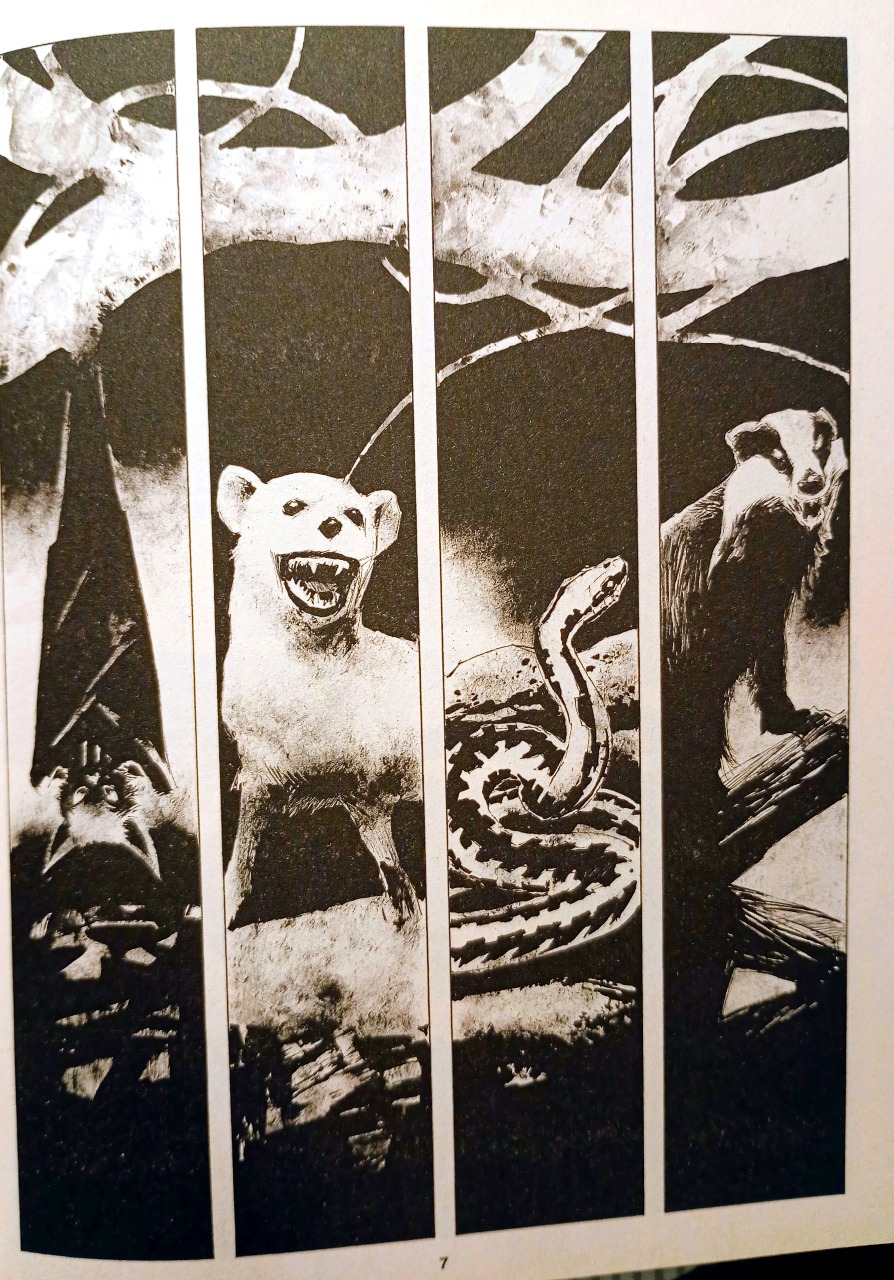
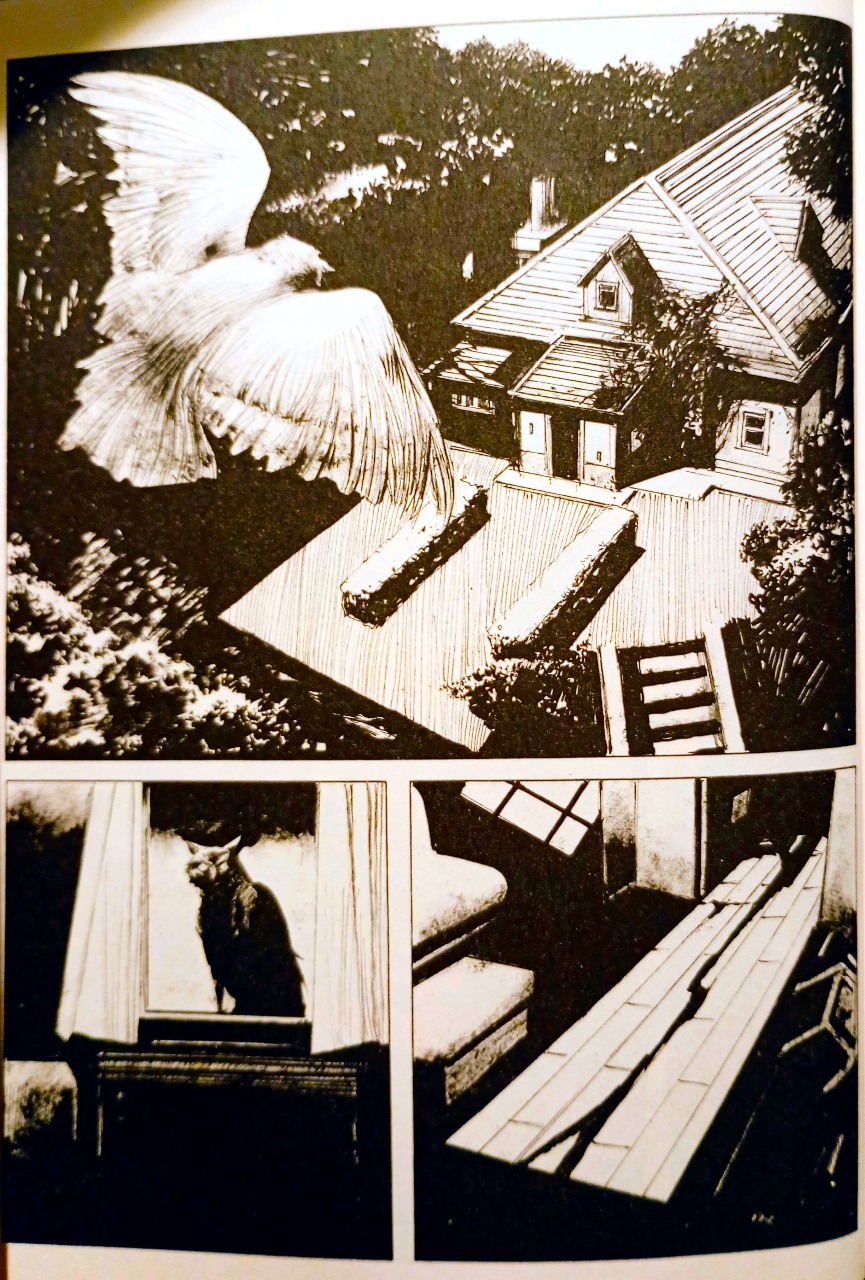
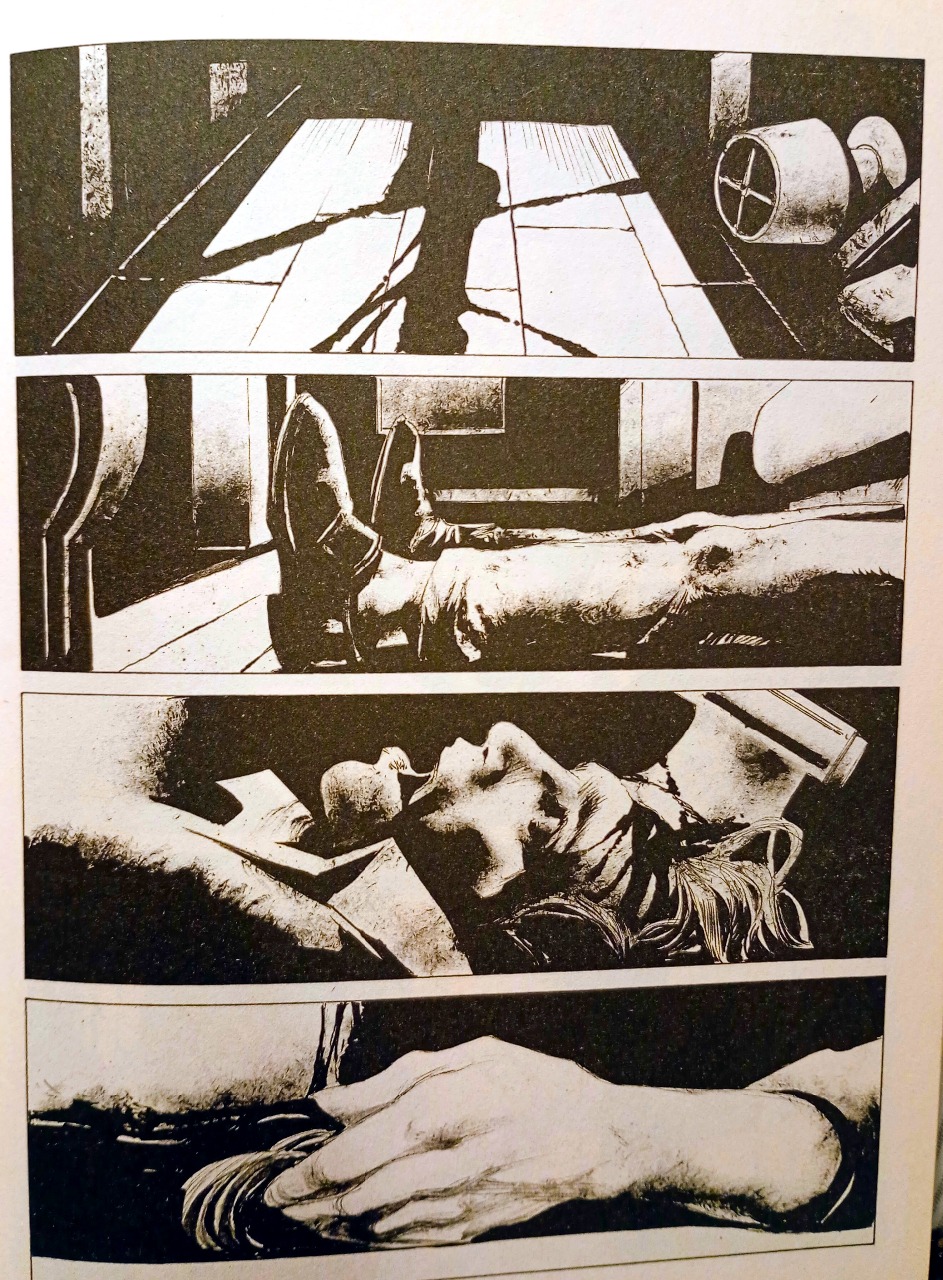
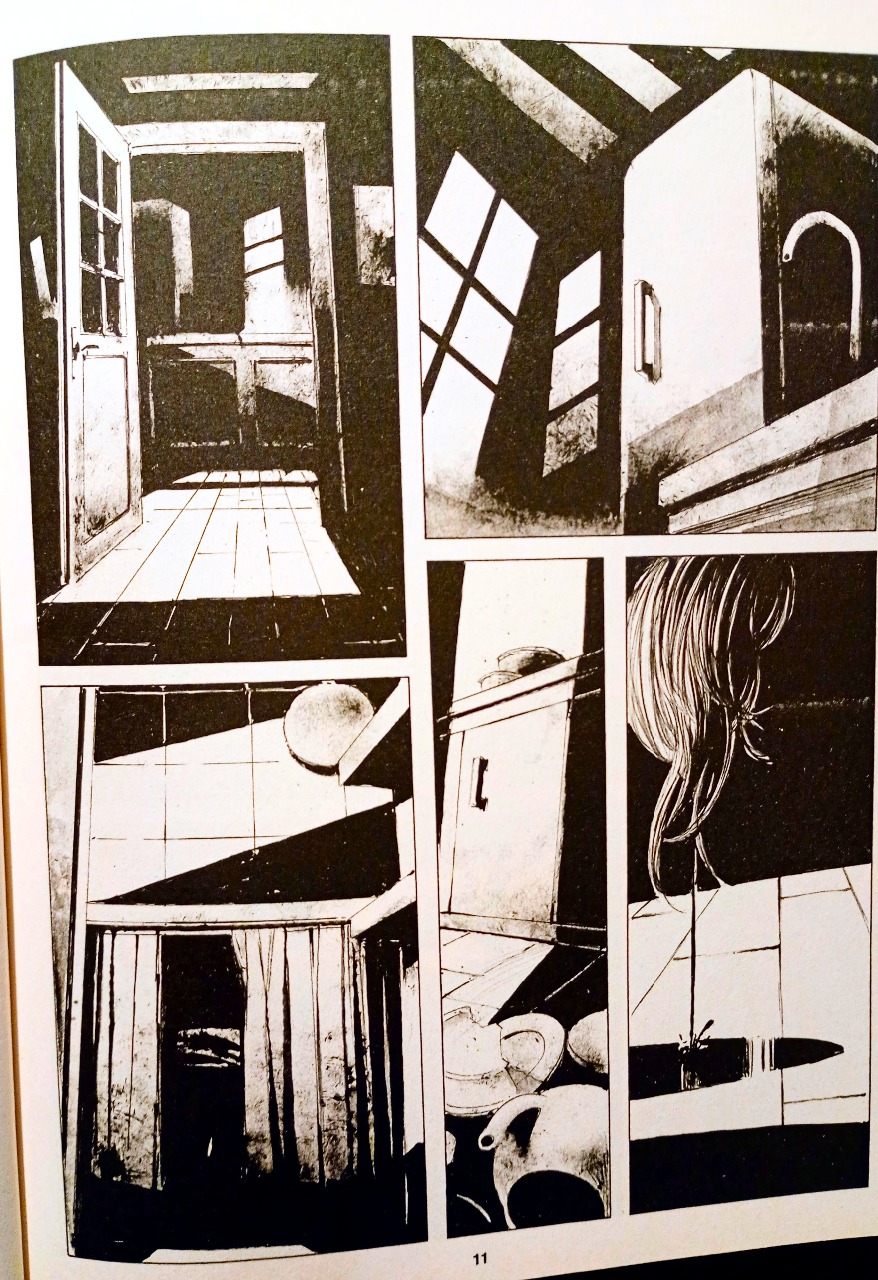
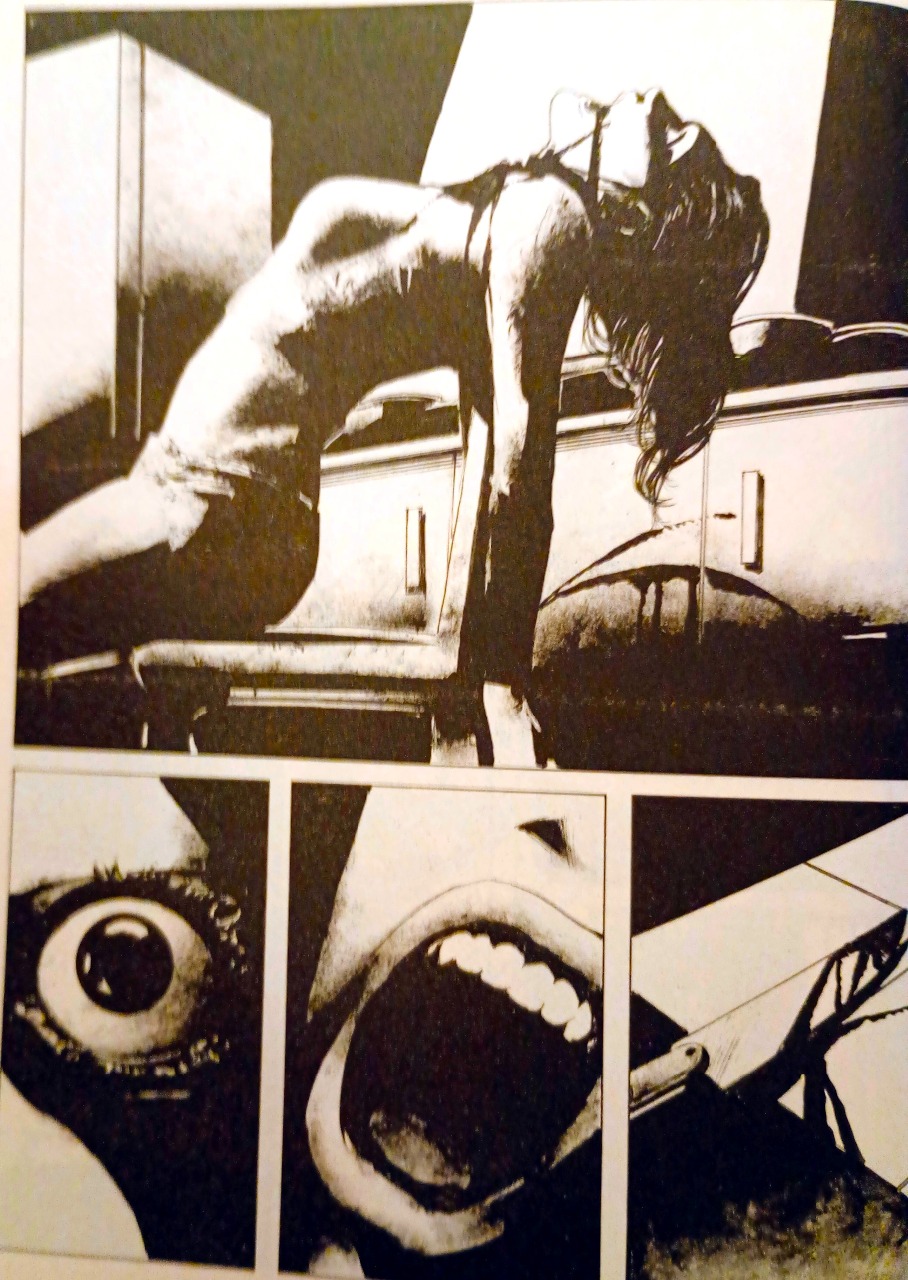
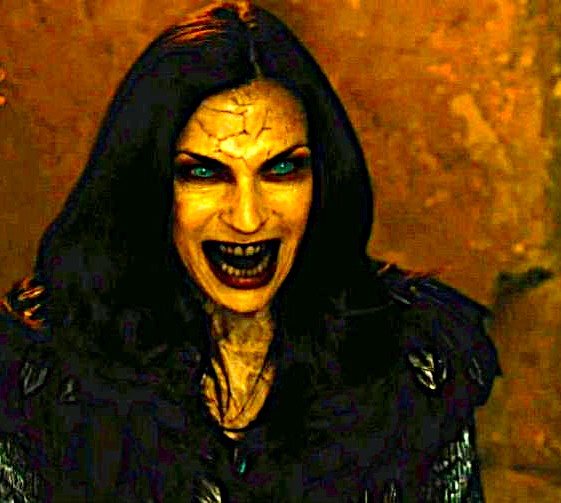
Ever since my childhood I have in my sleep occasionally experienced similar nightmare sequences. Of course, I continuously forget almost all my dreams, but some have become stuck in my memory. The first nightmare I remember was probably created through Hansel and Gretel. A quiet voice commented on the events – "You follow a path through a dark forest. The path opens up in front of you and closes behind you. Night has fallen. You are lost. A light in the darkness. It come from a small cottage. You walk up to the door. It opens and there she is – the witch!
A few days ago, I woke up early and remembered a similar dream, though that one had been completely silent. Step by step, I had been forced to walk through a deep forest until I came to the edge of bottomless abyss. Someone pushed from behind. I feel headfirst into nothingness. Terrifying for sure, but far from as horrifying as that indelible childhood dream. After waking up, I thought of the opening sequence in an Italian comic magazine.
I read such magazines with great interest, partly because the stories can be interesting and well-written, but foremost because I find several of the artists illustrating them to be unusually skilled and I am amazed by how much effort they put into illustrating the 100 pages generally included in a monthly magazine. Over time, I have learned to distinguish the artists I consider to be especially competent. Within the given framework, each illustrator is allowed and able to apply and assert his/her own unique style.
I read mainly Dylan Dog and Dampyr, but there are plenty of other comic magazines of the same high quality. Besides the mentioned two magazines there are Martin Mystere, Julia, Tex, Dago, Nathan Never, Zagor, etc. Many more are published every month, not to mention all the comics for children and a large number of comic books that are published regularly.
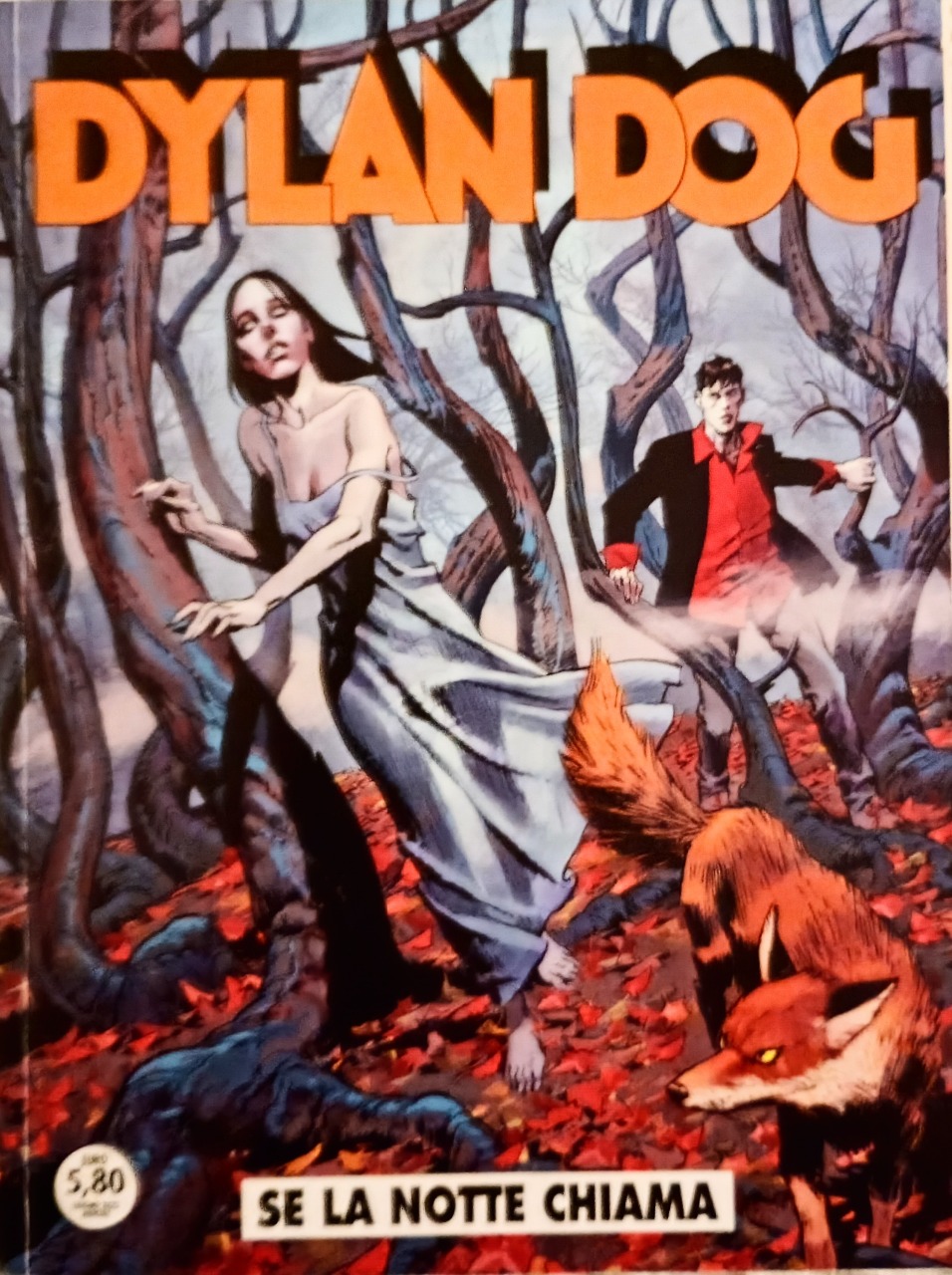
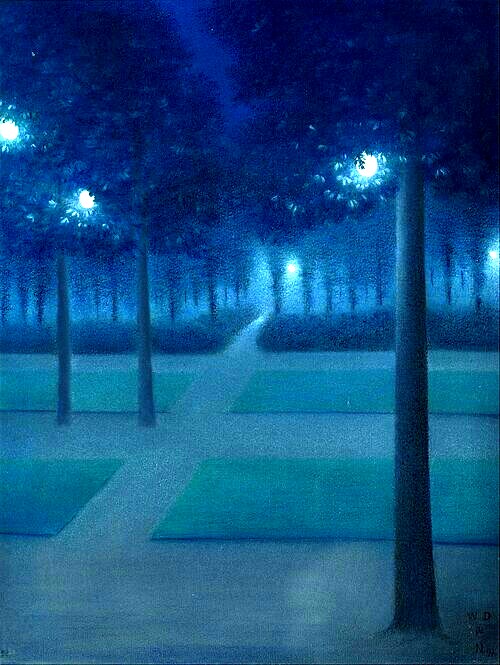
The suggestive dream sequence I presented above, comes from a Dylan Dog magazine published in June 2025 – Se la notte chiama, If the Night is Calling. Illustrator was a certain Corrado Roi, whose specific style I appreciate and when I come across a magazine he has illustrated, I generally buy it, even if the stories are not always of the same high quality as his illustrations. Italian comics illustrators often move from one magazine to another. Roi's image sequences are often endowed with an eerily cinematic character. As in the one above, several frames may lack text might evoke scenes from Hitchcock's or Polanski's horror films; they can also make me think of artists like the Dane Hamershøi or the Belgian Degouve de Nuncques.

I' have found that I quite often write about dreams here on my blog. Maybe not so surprising considering I've always been fascinated by the dream world. The world? Absolutely, it is realm apart from everything which we all step into it and where we spend a large part of our lives. Dreams are generally quite realistic and often reflect our everyday life, but they do so in a distorted, not entirely "correct" way – as “through a glass, darkly.”
Lately, I have sometimes dreamed about my friend Stefan. In our youth, we sometimes travelled, together with other friends, around our home province Skåne, or to Copenhagen, Berlin, and with Interrail we took the trains across the entire European continent. We had been neighbours since childhood, attended high school together, and also met when we studied at Lund University. Then I got married and lived abroad for long periods. But we kept in touch. Stefan was a diligent writer of long and informative letters this habit kept his childhood friends together; even though all our lives became quite different and we ended up in various places, we met now and then, having just as much fun together as before while telling one a other memories and stories as if time had not passed.
Stefan was always in the background. Wherever I found myself in the world, letters and cards would arrive from him for Easter and Christmas, and he never forgot to send me a birthday greeting. Throughout his working life, Stefan worked at the post office. He never married and spent most of his final days in a cottage in Söderslätt, a farming area in the south of Sweden. He was an only child and had no relatives, except for elderly, wheelchair-bound female cousin. He had an old computer, but refused to use it. He handled all his written communication with us comrades "by hand," i.e., through letters and cards, and demanded that we did the same.
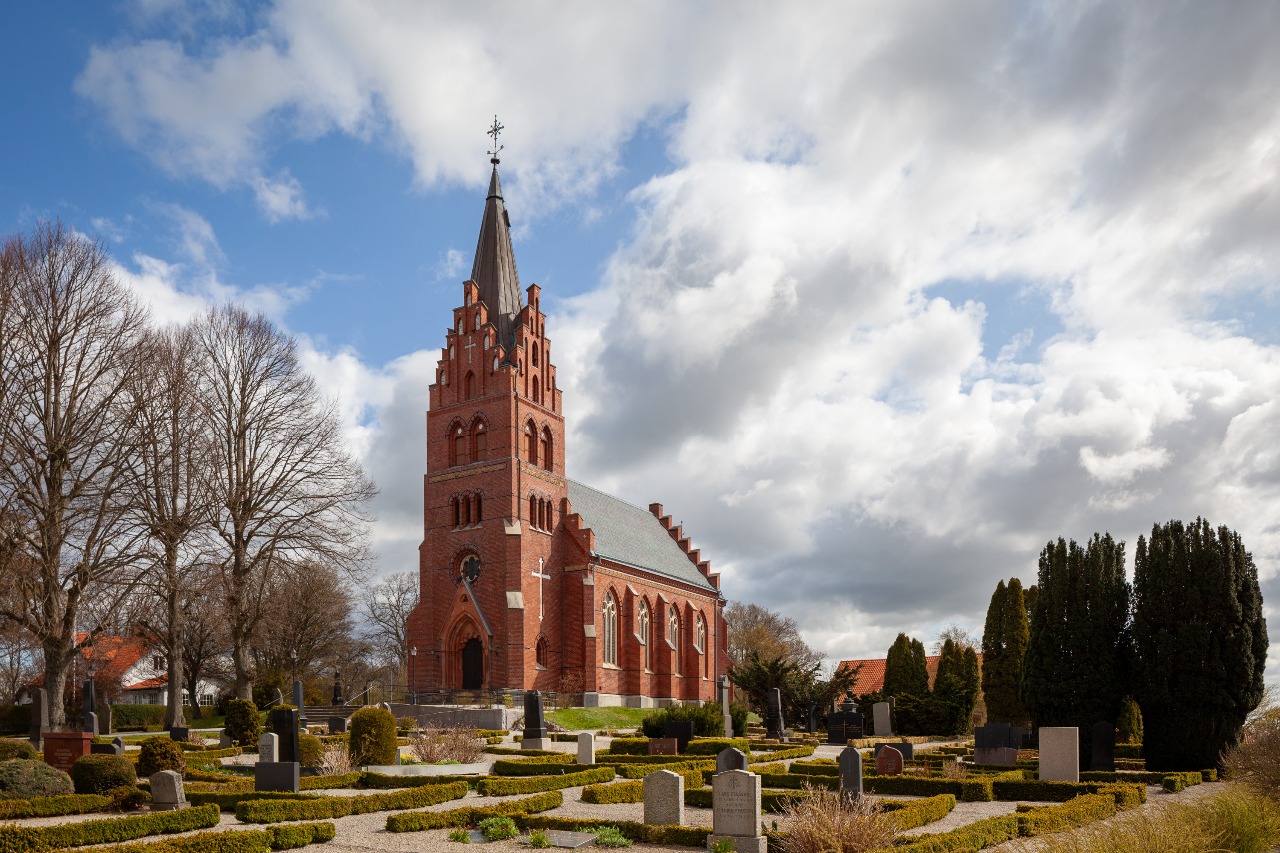
Since I this year had not received any birthday greetings from Stefan, I began to worry until my friends told me he had died alone on a sofa in his house far out on the solitary plains of Skåne. We gathered a month ago to say goodbye to him on a windy day in the village church. At the funeral coffee, we shared our memories of him. He had been a very nice person and we all miss him.
For me, reading has a lot in common with dreams. When I read, I step into another world and sometimes I wonder about the whims of fate that make some books appear in my life at what seems to be the right moment. A few days ago, I did in one of my book shelves discover a novel by a German author named Tommie Goerz. Less than a year ago I had through a sudden impulse bought the book at the airport during a visit to one of my daughters in Prague. I had no idea who the author could be. What made me but the novel was its cover – snow covered village from which chimneys it did not rise any smoke.
I began reading the novel on the plane. My German is far from perfect and when I read novels in languages I barely master, it feels as if I have stepped into a dream with vague contours. Words I do not understand I imbue with meanings they probably don't have, thereby the story becomes somewhat "distorted." However, that doesn't hinder me from appreciating the general “flavour” of the book’s language (in my case books written in German, French and Italian) and its main plot, thus – despite my lack of complete understanding I enjoy reading them. During the flight, I became intrigued by Goerz's book. Nevertheless, when I had upon returned home, I placed it on the bookshelf and for a while I completely forgot about it ... until now.
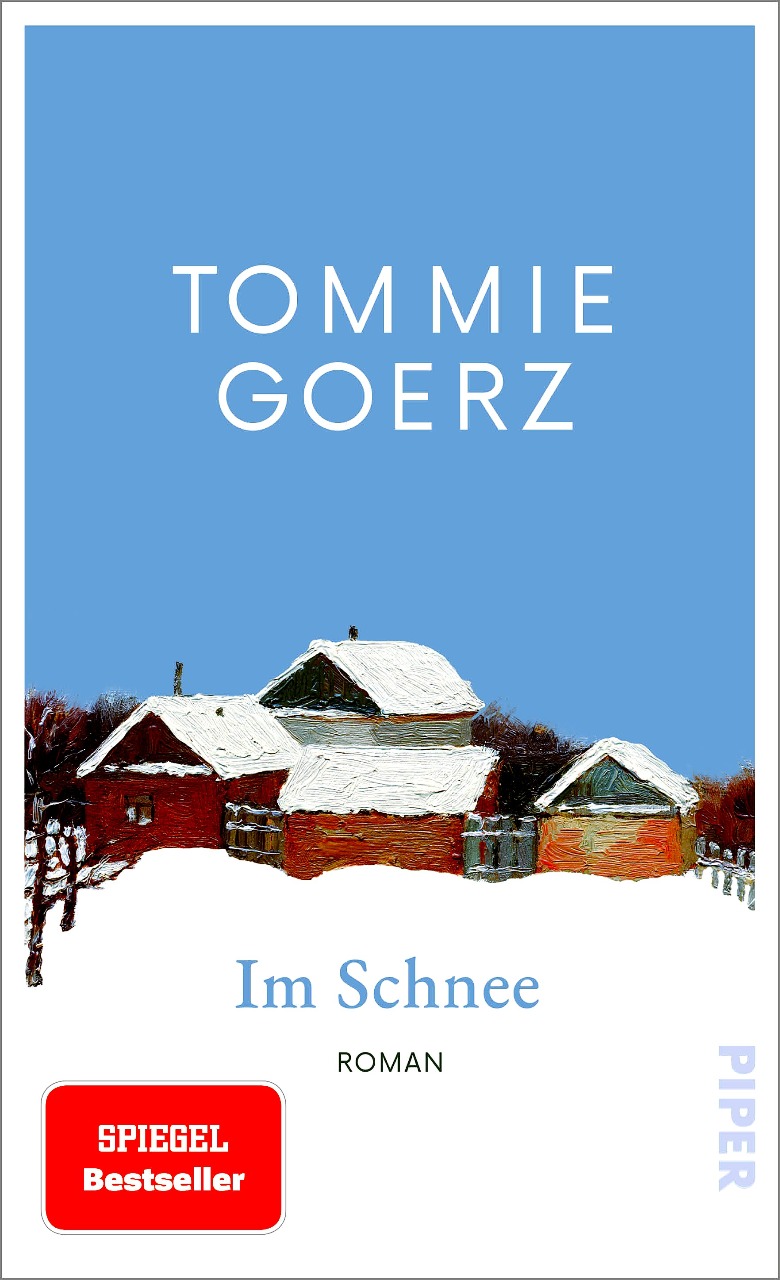
Goerz's well-written and suggestive novel cannot be described as his usual "whodunit." It takes place during a few days in a wintery, isolated, and snow-covered village far out in Franconia’s countryside. Much has disappeared from the imaginary Austhal – the bakery, the butcher, the village shop, the shoemaker, an inn, the farm dogs, an old eagle owl, the school, and the pastor. The population has aged, and death seizes them one by one.
Under peaceful, slowly falling snow, the over eighty-years-old Max Malter learns that his best friend Schorsch has died. Max had known Schorsch all his life, and they had lived together surrounded by their childhood village. They both wanted to marry Maicherd, but when Schorsch had her and Max remained alone, he felt no bitterness. He and Schorsch remained very close.
The village seems to be an ancient place where times has stood still. It cherishes long-standing traditions. Its aging population wants to consider their village as a happy island, spared from war and fleeing people. "As long as you knew nothing about it, you had nothing to do with it" – a bigoted confinement that has created a narrow-mindedness through which everything foreign was consistently rejected. Even after decades, "newcomers" remained strangers and never got a seat at the regulars' table in the village's only tavern.
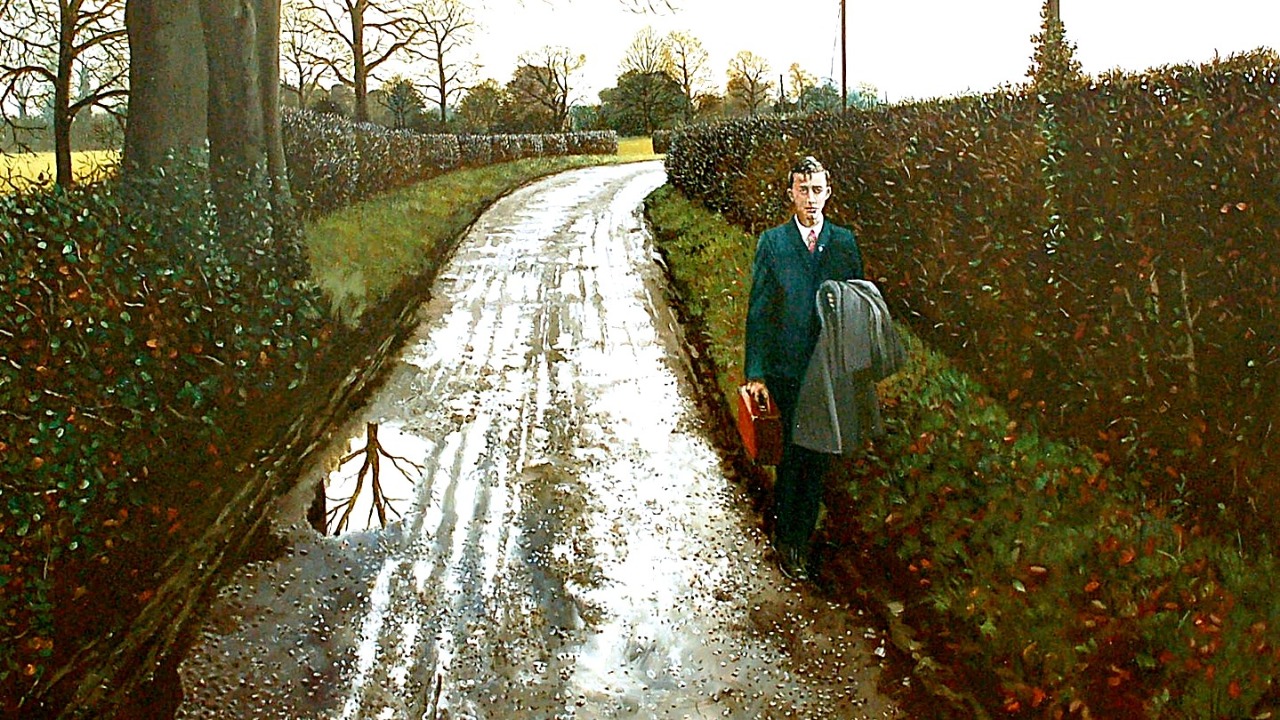
His friend's death hit Max Malther hard, and he began to feel a certain alienation from everything and everyone around him. What was the village of Austhal, really? A place where nothing "superfluous" was allowed to take root. An existence built on nothing, which is everything. Time and the world beyond the village meant nothing. In his grief, Max stopped his wall clock's pendulum. He had never owned neither TV nor radio. Such gadgets had been of no use to him. And now... after Schorsch's death, everything had become empty and meaningless.
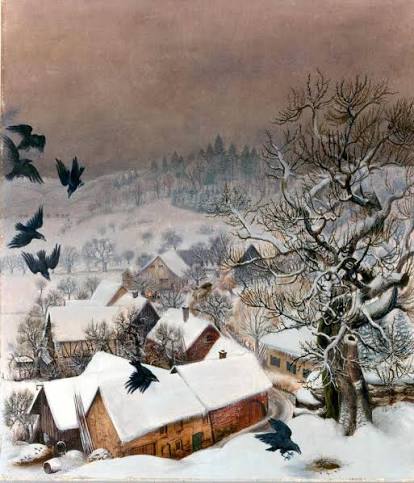
With Schorsch's death, a traditional mourning and farewell ritual began. The men gathered in Schorsch's former home staying up until midnight. There they drank, ate, remembered, and told stories about everything and everyone. After the men had returned home, the women appeared and stayed until morning, preparing the deceased, who lay among them on his sofa, for the upcoming funeral. The women also ate, drank, and sang, thoigh they also exchanged recipes, knitted, cracked nuts, and decorated the room. Old Max, who had brought two apples of the deceased's favourite variety, was allowed to stay during the women's wake. They realized that he was trapped in his own grief and would bother nobody. He dozed off repeatedly, lost in his memories while he mourned Schorsch as a lost part of his own life. He occasionally went up to the window and watched the falling snow, filled with premonitions of his own death.
While the snow fell outside, the villagers in the warmth of the cottage were bringing 80 years of village history to life. Many of their memories were pleasant, marked as they were by tradition, rituals, as sense of belonging, clear rules, and solidarity. But shadows inevitably appeared. There had a always been a sense of spatial confinement in the village, a narrow-mindedness through which everything foreign was consistently rejected. "Dark-skinned" strangers had been denied access to the village; to prevent their presence, the villagers had "taken the law into their own hands" and violence had been tolerated in silence. Everything odd was despised; it had gone so far that a red-haired child had been mercilessly locked up and denied contact with other villagers. Gossip and slander, the open intolerance that surfaced during the night provided the mourning Max's with new insights, a different view of his familiar environment. As he stood by the window. watching the falling snow cover8ng the village, he thought: "This village is like any other village. People live here and there are manure heaps. The closer you get to them, the more they stink."
My recent nightmare brought me to a climax that was obviously death, something that awaits us all. Even Goerz's story takes us there. After the funeral of his best friend, Max receives a visitor who unexpectedly knocked on his door. A mysterious traveller and wanderer named Janis, who had explained that his train had snowed in at a nearby station. For two days, this man visited Max and it turned out he was a photographer. With Max's permission, Janis set up his camera and carefully captured every corner of the home, even things that would seem to be completely insignificant. Click after click, he documented the worn linoleum floor, the coffee pot, the corner with a crucifix, the striped cotton mat.
Why is Janis so incredibly curious? "For me," he explains, "it's like having ended up in another time dimension. I think it must be the same for many others. That's why I'm here. I want to document all this, because no one lives like this anymore." As the couple sits by the kitchen table with a bottle of brandy, made by the village women from pears and grapes, the reader gets a sense who the mysterious visitor might be, visiting before his final hour.
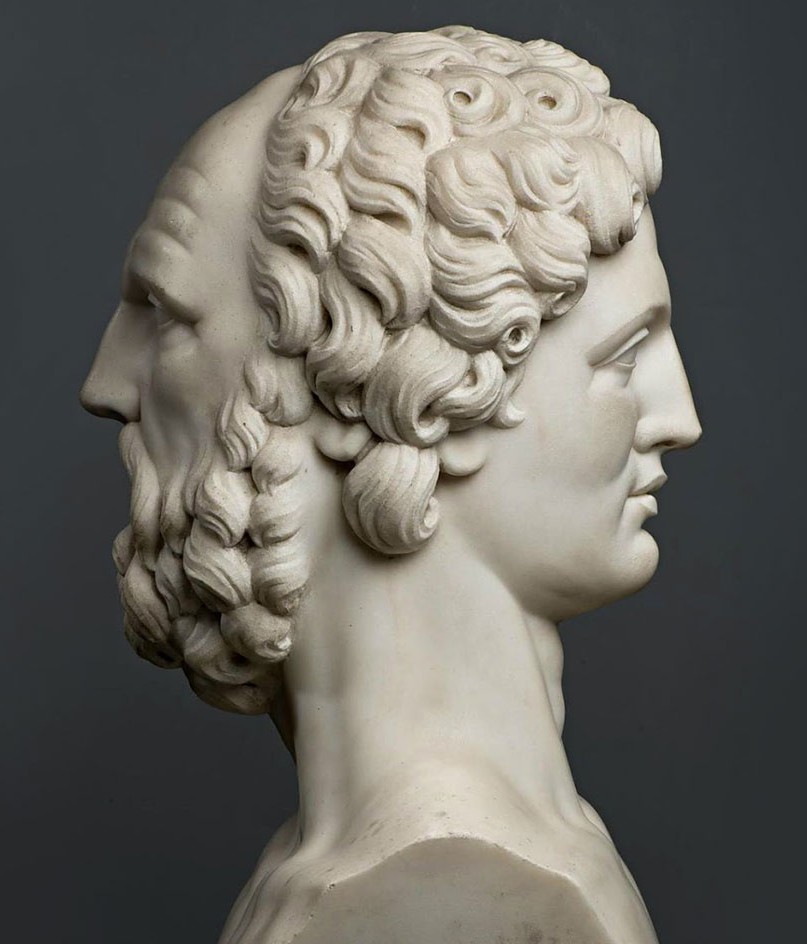
Goerz's story has given the impression of being entirely realistic, but this Janis seems to break that frame. Janis? What kind of name is that? It makes me associate him with the Roman god with a double face – Janus, whose name indicated a vaulted passage/doorway and who was associated with a multitude of phenomena; beginning and end, time, transitions, duality, ambiguity, and frames.
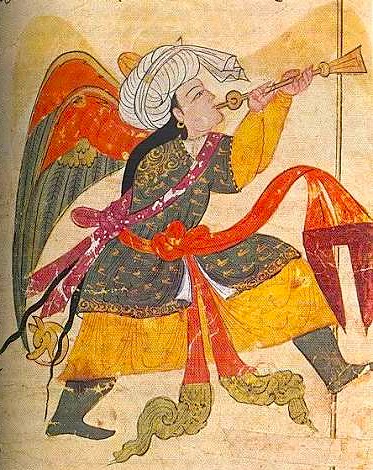
Since this Janis appeared shortly before Max's death, he might also correspond to the Angel of Death. A being who in Islam is called “Azrael”, which in Arabic means "Servant of God" and is believed to be identical with the Quran's Malak al-Mawt, the Angel of Death. The thirty-second sura of the Qur’an states:
Say: "The angel of death, entrusted with you, shall cause you to die and then to your Lord you shall be returned.
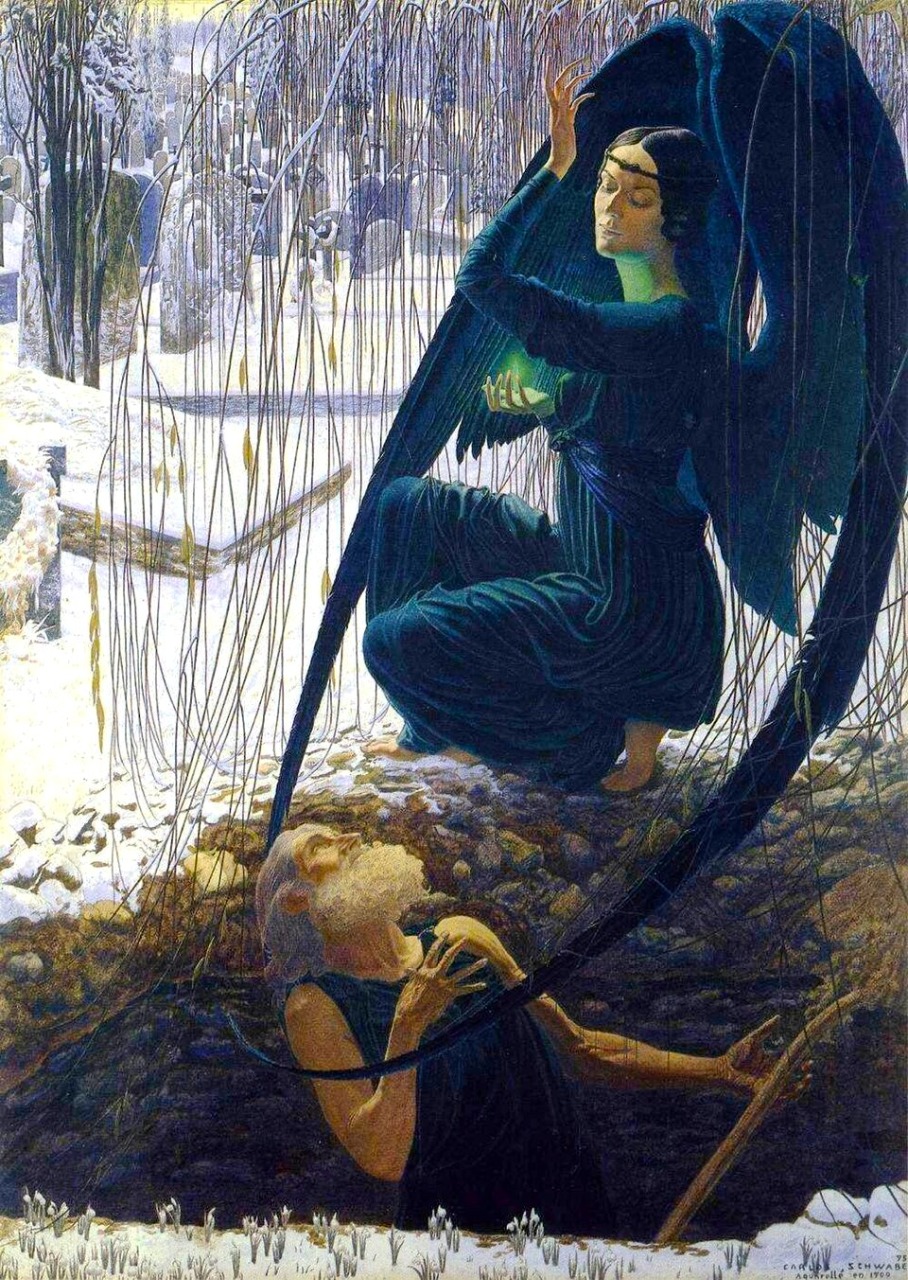
Azrael, or his equivalent, is mentioned neither in the Tanakh, the Hebrew Bible, nor in official Christian tradition, but he constantly appear in popular Christian traditions and art, and is then mostly depicted as a serious, hooded figure with wings. Most commonly he appears as a skeleton is then generally bringing with him a scythe and hourglass. However, the Angel of Death is might also be depicted as a beautiful, youthful figure and he is really not at all regarded as an evil being.
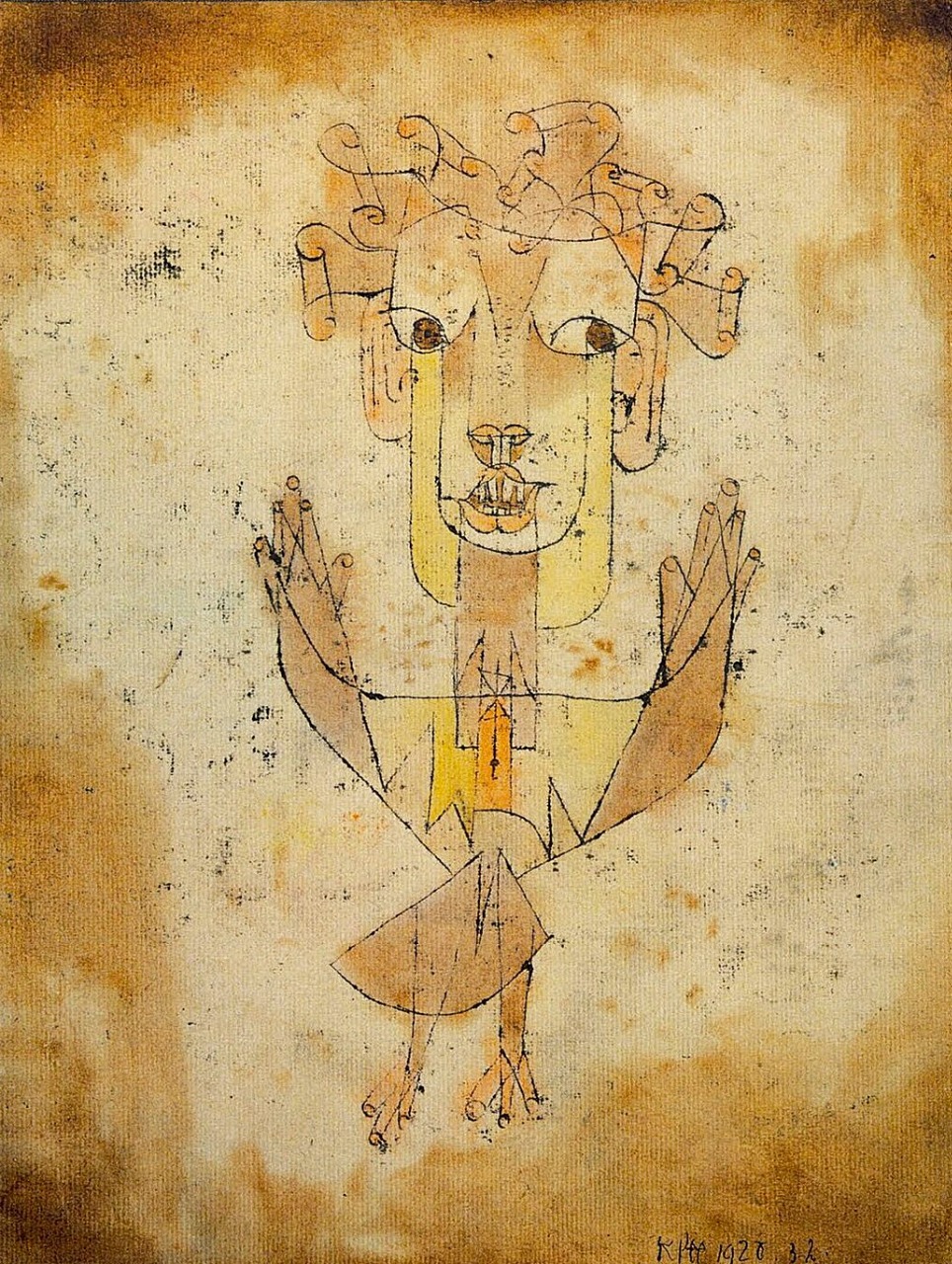
If Janis, who appeared in Max's house, was identical to Azarel, he probably was that in the sense given by the philosopher and literary critic Walter Benjamin, while viewing Paul Klee's watercolour Angelus Novus, New Angel. Benjamin had in 1921bought the painting in Munich, and after observing the artwork for a long time, he gave it a suggestive interpretation in his essay A Treatise on Historical Philosophy:
A Klee painting named Angelus Novus shows an angel looking as though he is about to move away from something he is fixedly contemplating. His eyes are staring, his mouth is open, his wings are spread. This is how one pictures the angel of history. His face is turned toward the past. Where we perceive a chain of events, he sees one single catastrophe which keeps piling wreckage upon wreckage and hurls it in front of his feet. The angel would like to stay, awaken the dead, and make whole what has been smashed. But a storm is blowing from Paradise; it has got caught in his wings with such violence that the angel can no longer close them. The storm irresistibly propels him into the future to which his back is turned, while the pile of debris before him grows skyward. This storm is what we call progress.
Interpreted through this filter, we might consider the Janis as being Walter Benjamin's angel. With his camera, he documented the past, but was at the same time a herald of the future. Perhaps Benjamin overinterpreted Klee's image? What I noticed is that Klee's angel is endowed with teeth. During the Middle Ages, there was a debate among theologians about whether Adam had a navel – he was created by God and not born of a woman. And did the angels have teeth? They probably didn't eat?
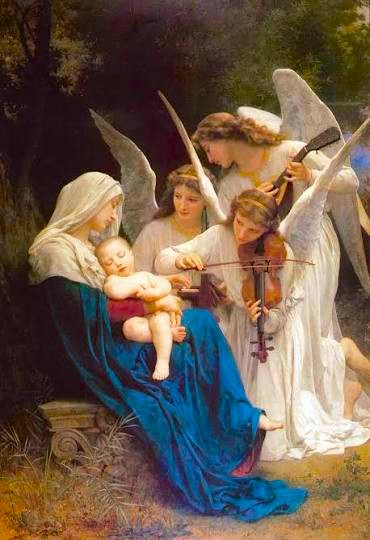
In any case, Klee's angel is a very modern one. By the turn of the century, the previously gentle angels had began to be replaced by modern variants, often more wild, or at least symbolist ones.
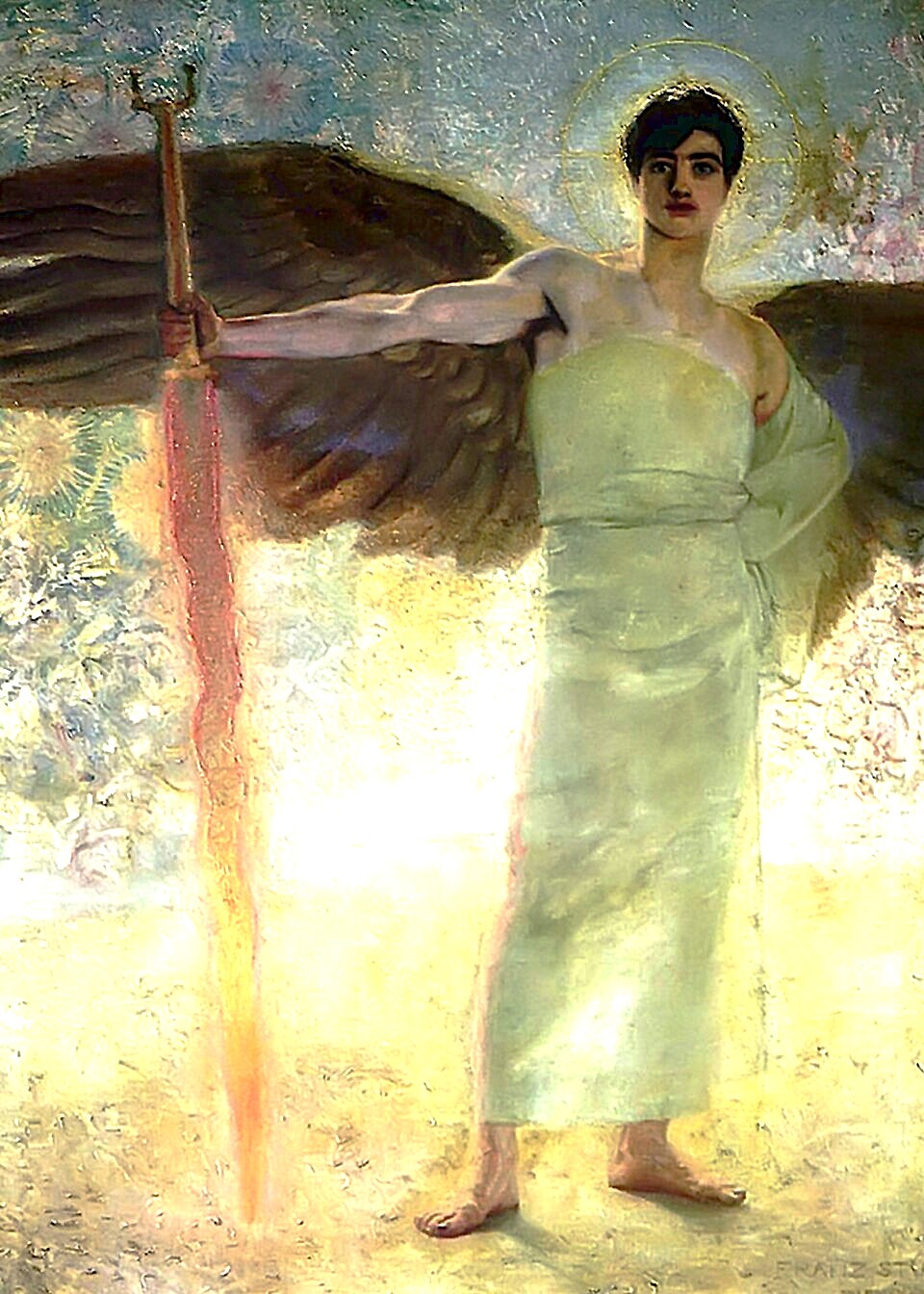
As the ones depicted by the Germans Franz von Stuck and Carlos Schwabe.
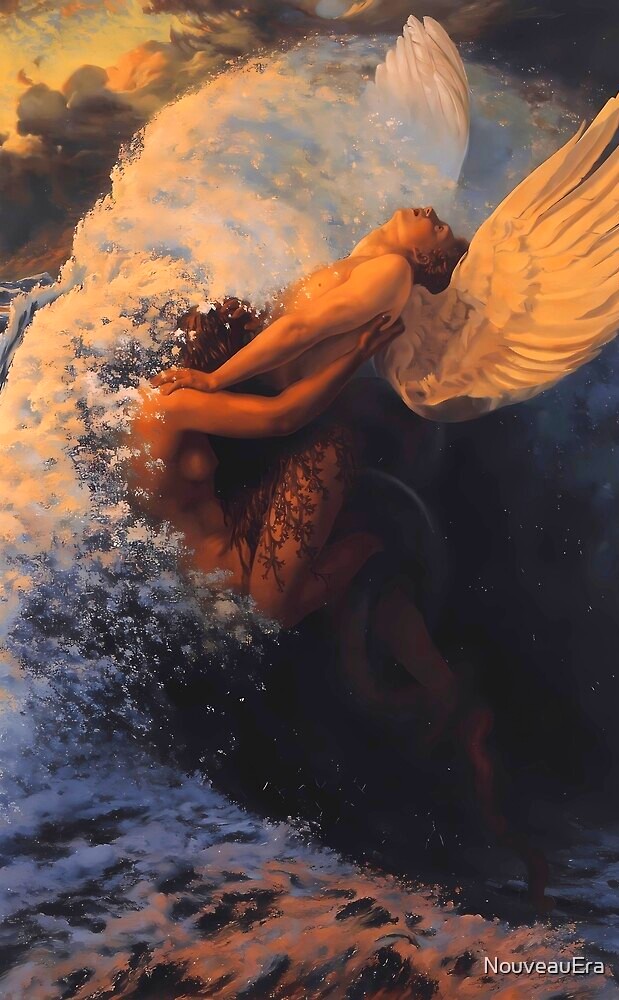
Or by the American Elihu Vedder, the Russian Mikhail Vrubel.
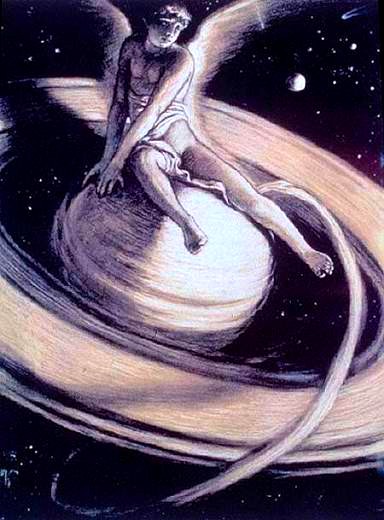
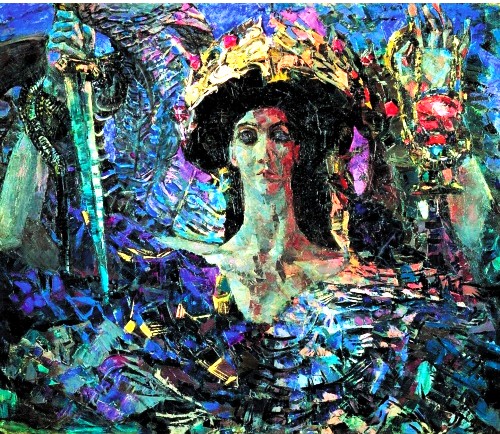
Even if they all are quite different from Paul Klee's angel, they all constitute a kind of "secularized" divinities coming to life as symbols and would be doing so well into the twentieth century. Perhaps best known of those modern, angelic creatures were those invented by the German-speaking Rainer Maria Rilke, as well as his contemporary Franz Kafka, originating from Prague, a fertile ground for literary innovators who were also, to some extent, dreamers. Rilke begins his poetry collection Duiniser Elegien with the famous phrase:
Wer, wenn ich schriee, hörte mich denn aus der Engel
Ordnungen? und gesetzt selbst, es nähme
einer mich plötzlich ans Herz: ich verginge von seinem
stärkeren Dasein. Denn das Schöne ist nichts
als des Schrecklichen Anfang, den wir noch grade ertragen,
und wir bewundern es so, weil es gelassen verschmäht,
uns zu zerstören. Ein jeder Engel ist schrecklich.
Who, if I cried out, would hear me among the Angels'
Orders? and even if one of them pressed me
suddenly to his heart: I'd be consumed
in his more potent being. For beauty is nothing
but the beginning of terror, which we can still barely endure,
and while we stand in wonder it coolly disdains
to destroy us. Every Angel is terrifying.
Rilke's angels are not god-sent messengers who bring comfort, grace, or divine salvation. Nor are they enablers of the Apocalypse, sent to "judge the living and the dead." They are a form of natural forces. Terrifying and magnificent beings who embody an overwhelming, absolute perfection. They offer no help or relief and lack understanding of human weakness, sorrow, or mortality. Unlike man, whose existence is fleeting, often tormented by his time on earth, mortal and bound by time, Rilke's angels are perfect and imperishable, parts of a reality beyond time and space.
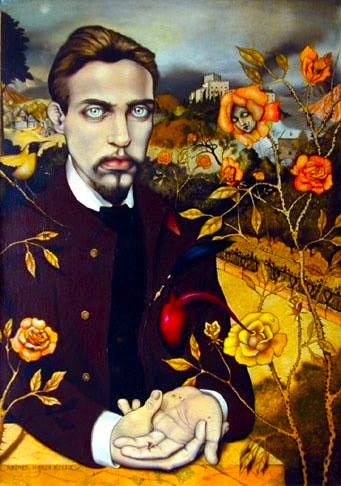
Possibly, these angels can be interpreted as the mystery of human culture, dreams, music, art, poetry/language, which rovide a faint reflection of the perfect realm to which they actually belong. Humanity's unique task is to take transient, simple things in the physical world – such as a house, a tree, or a street – and transform them into an invisible, inner consciousness, and thereby "praise" the material world before these angels.
Like the great dreamer, fantasist, and mystic before him – William Blake – Rilke feared and despised the dehumanization t resulting from the new technology emerging around him, threatening to suffocate everything truly worth living for. Before Rilke, Blake had seen the greatness in everthing small and simple, in beauty and nature. Blake also knew that all this was threatened by the insensitivity of technology and wanted, through his art and poetry, to take up the fight to save and preserve in each person a connection wit the divine, a belief in goodness and beauty.
And was Jerusalem built here,
Among these dark Satanic Mills?
Bring me my Bow of burning gold:
Bring me my arrows of desire:
Bring me my Spear: O clouds unfold!
Bring me my Chariot of fire!
I will not cease from Mental Fight,
Nor shall my sword drag in my hand:
Till we have built Jerusalem,
In England's green and pleasant Land.
For Blake imagination was God's body and true human existence, together with him angels fought a constant battle to save the world from being suffocated by the devastating effects of the industrial revolution.
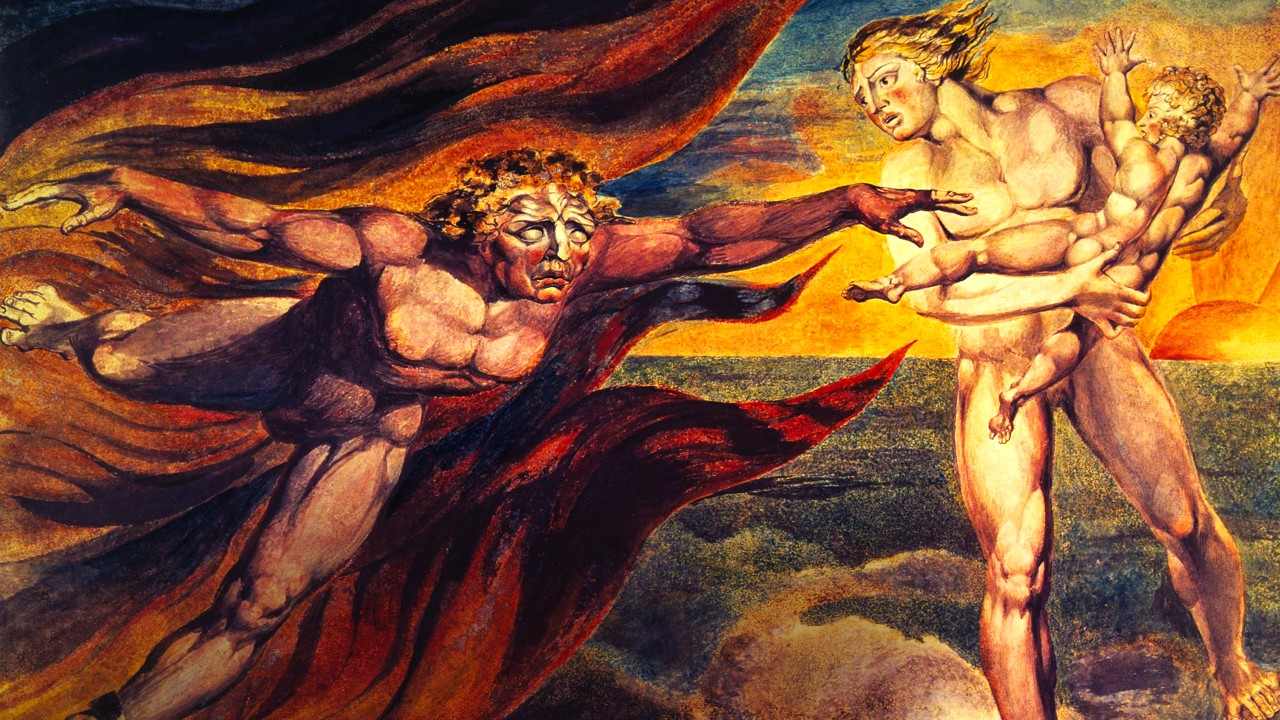
In his tenth elegy, Rilke described the bleak and devastated, yet at the same time ostentatious desolation of his time:
Sorry to say, we are strangers to the alleys of the City of Suffering,
where in the false, drowned silence made
quiet and strong from the mold of the gutters,
ejects its gilded din, the exploding monument.
O, without a trace an angel could crush their comforting market
bounded by the Church, with its prefabricated indulgences:
as neat, closed and disappointing as a post office on Sunday.
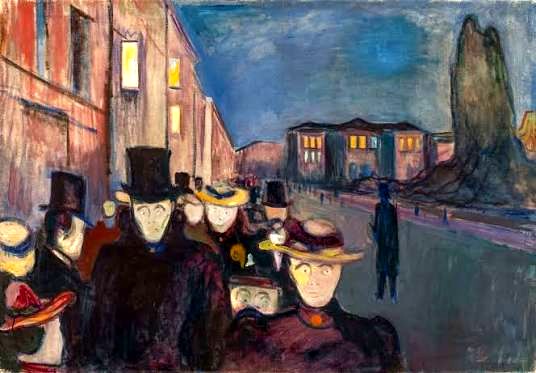
Rilke was obviously a clairvoyant, and in all his exalted otherworldliness, there was obviously no evil in his angels' "terrible" beauty. They did not interfere in the actions of human creatures. They were quite different from the evil and equally symbolic beings who appeared during the wars of the twentieth century; whether they were angels or demons was hard to determine.
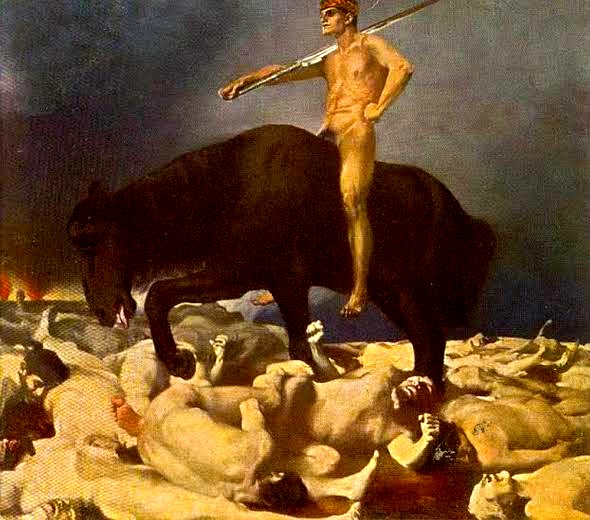
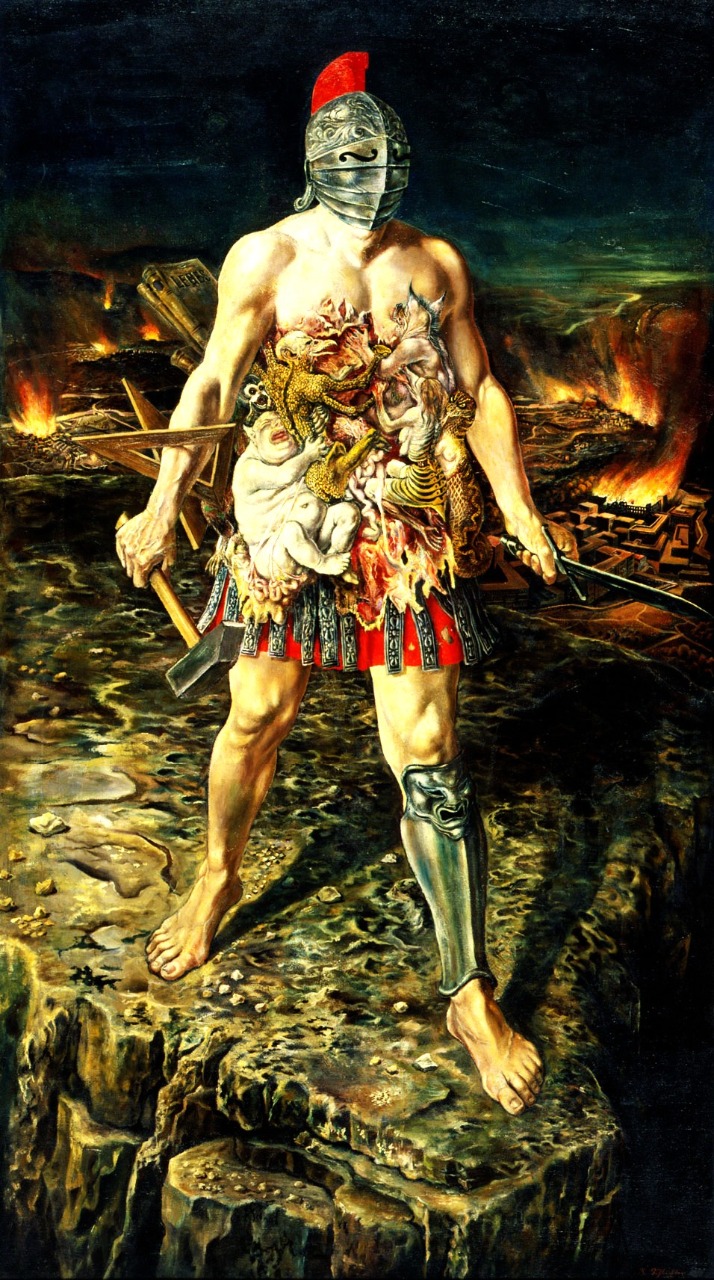
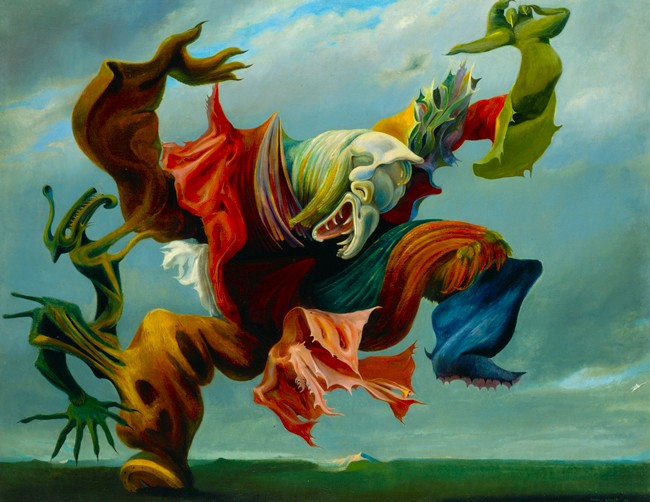
Max Ernst's Angel of Hearth and Home was undoubtedly an angel, he explicitly said so. A demonic, but obviously thoughtless being, which seemed to consist of cloth rags and plants, it was like Rilke's angels, fundamentally different from humans, but like them, equipped with arms, legs, and head. The creature stamps the ground with fury, but unlike the paintings above, there are no signs of war and destruction around it. The beast performs its strange dance under a clear sky in a desolate but tranquil landscape.
Ernst created his angel shortly after the Spanish republicans had lost a war with opponents supported by Italian Fascists and German Nazis. The German exile artist seemed to want to warn us about the uncontrolled chaos that would soon bring Europe to the brink of a final disaster. Perhaps the strange, organic monster that seems to grow from the angel's right leg is a reference to the emerging Fascist and Nazi hellish regimes.
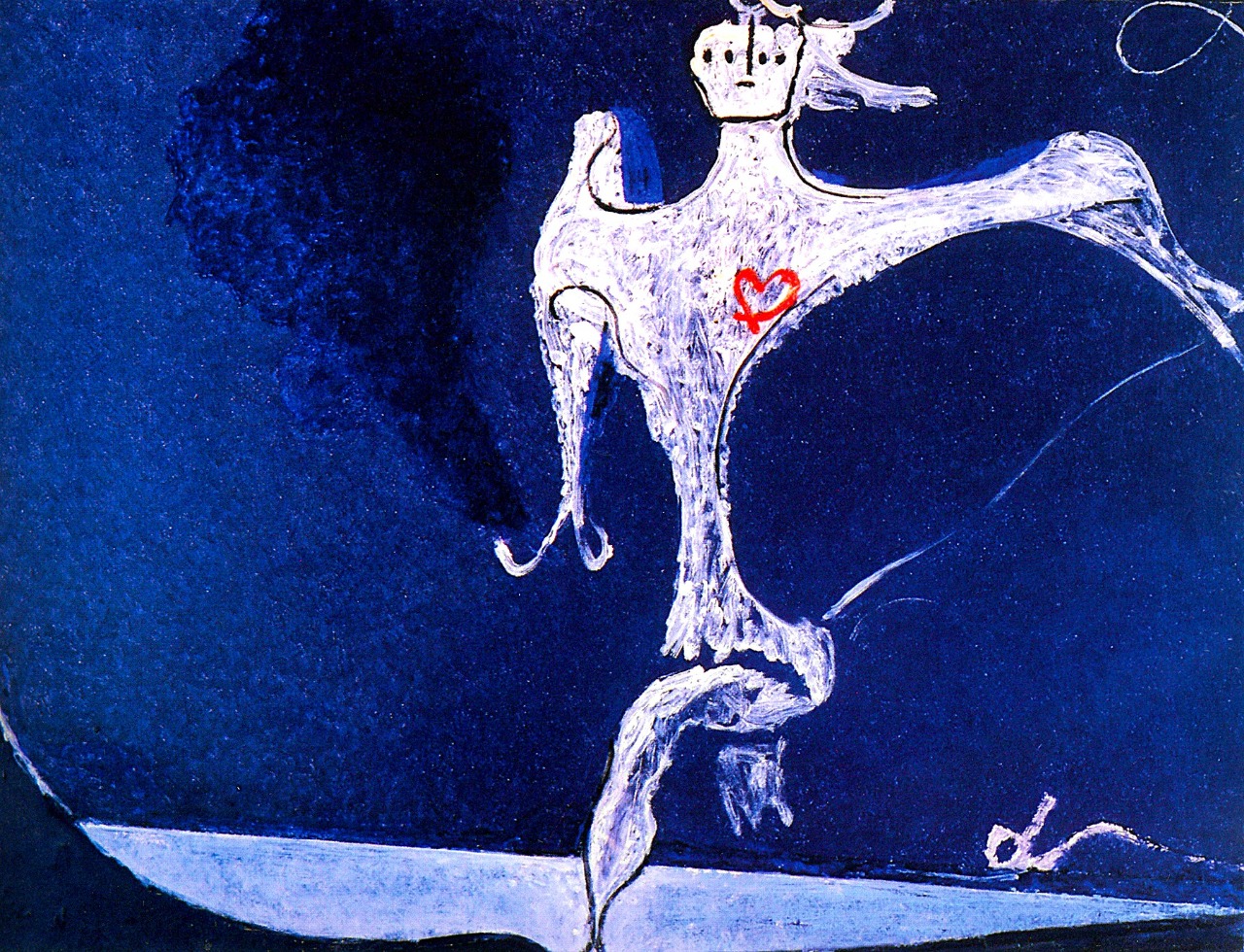
In my opinion, the more abstract Italian artist Osvaldo Licini's angels come closest to the impression I have obtained of Rilke's elusive angelic beings. Like Rilke's beings, Licini's angels are utterly different from humans and seem so inhabit a place beyond time and space. They have traits that distinguish them from humans, yet still they suggest a human kinship, but unlike Rilke's creations they may feel empathy; in any case, Licini's Rebbelious Angel has a heart.
When I dream, write, read, and paint, he latter something I have unfortunately stopped doing, I step into worlds beyond my everyday life. A realm that might may be related to the dimension Rilke suggested in his Duino elegies. Chinese art seems, centuries ago, to have nurtured and deepened this feeling.
Long ago, someone told me how one could find the Dao in Chinese paintings, a path that brought the viewer into the picture, up and down along cliffs, past waterfalls, huts, and groves. On his/her journey through the artwork, the viewer could pause and admire the surroundings. But to do so, one had to enter the right meditative state of mind. An aesthetic connoisseur did not have the scrolls constantly opened up on his/her walls; they rolled them up when the right moment arose. There were several collectors who possessed scrolls they had never seen because they suspected the artworks had such a character that their owner had not yet found the right emotional state that made it possible to enjoy them.
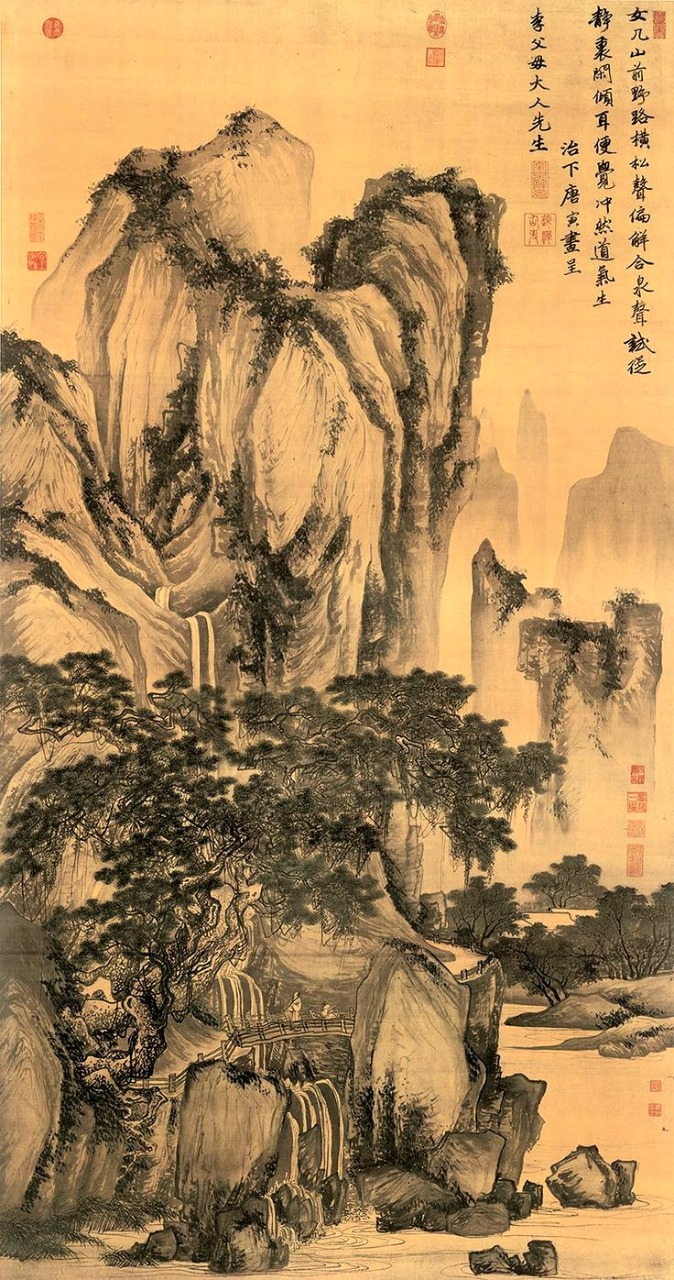
Even the artist could be captivated by his/her own creation and step into the artwork. It is said that the great master Wu Daozu was capable of doing just that. He lived between 685 and 758 CE, and one of his masterpieces – Spring in the Mountains – can be seen below.
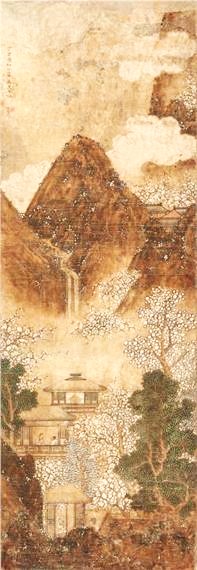
A legend tells that Emperor Xuanzong ordered Wu Daozi to paint a wall in his palace. The artist created a mural depicting a magnificent landscape spreading out in a valley between high heights. The valley was filled with a fantastic wealth of plants and animals. There was also a cave at the foot of a mountain. Wu Daozi explained to the emperor that his work of art was more than it appeared to be. It covered another dimension. When the emperor did not understand what the artist meant, Wu Daozi explained that in his painting there were several openings into an align world. Something that was not obvious if you only looked at the surface of the artwork. For example, a spirit was living in the cave, which entrance was depicted by the painting. When the emperor laughed at this, Wu Daozi wondered if he was willing to follow him into the cave. The emperor claimed that such a thing was impossible, but Wu Daozi clapped his hands and stepped into the cave, which entrance closed behind him. The astonished Emperor Xuanzong did not have time to move or utter a single word before the entire painting disappeared from the wall.
I think of that story as I look at a painting by Ma Yuan, who lived between 1160 and 1225. His style came to be called "Ma's corner," because he usually depicted his motifs in such a way that the contours were sharpest in one corner, while the surrounding landscape seemed to get lost in mist or snow. Like here, where a man, like Wu Daozi, wanders into the unknown.
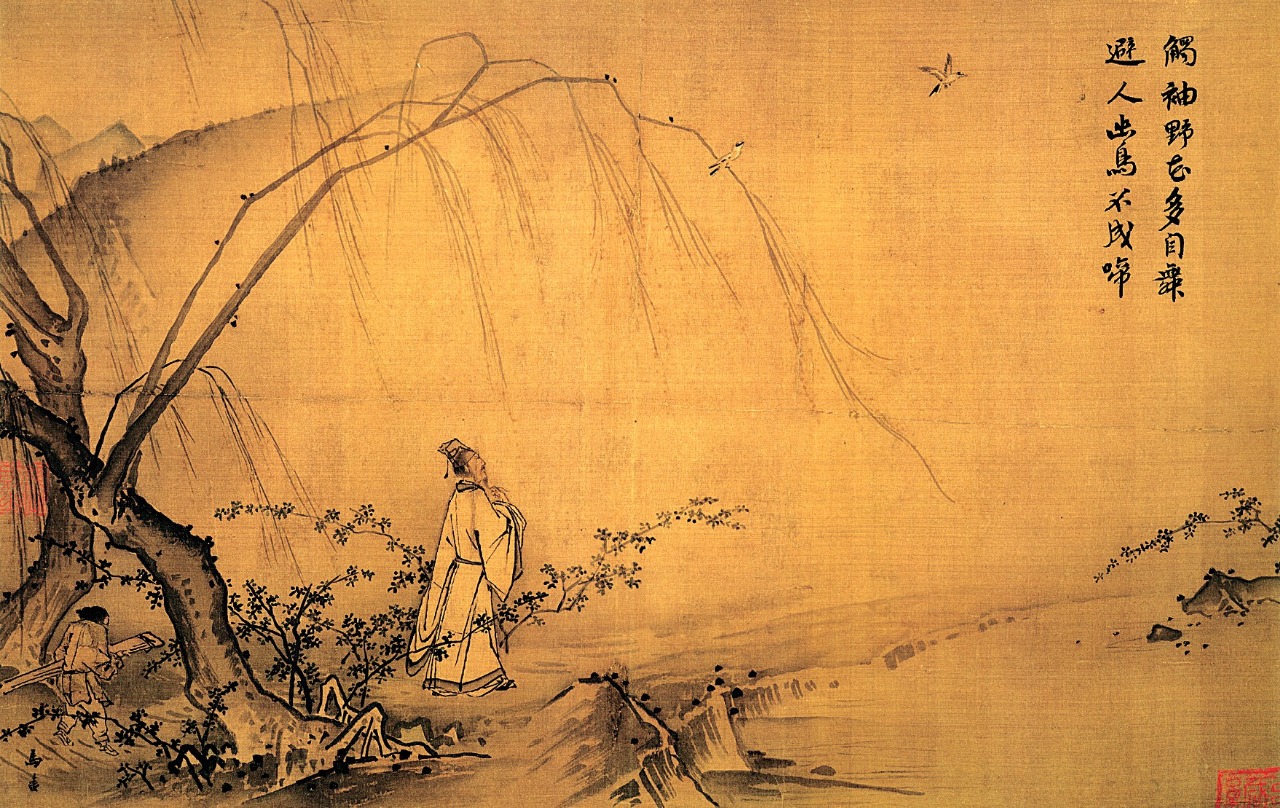
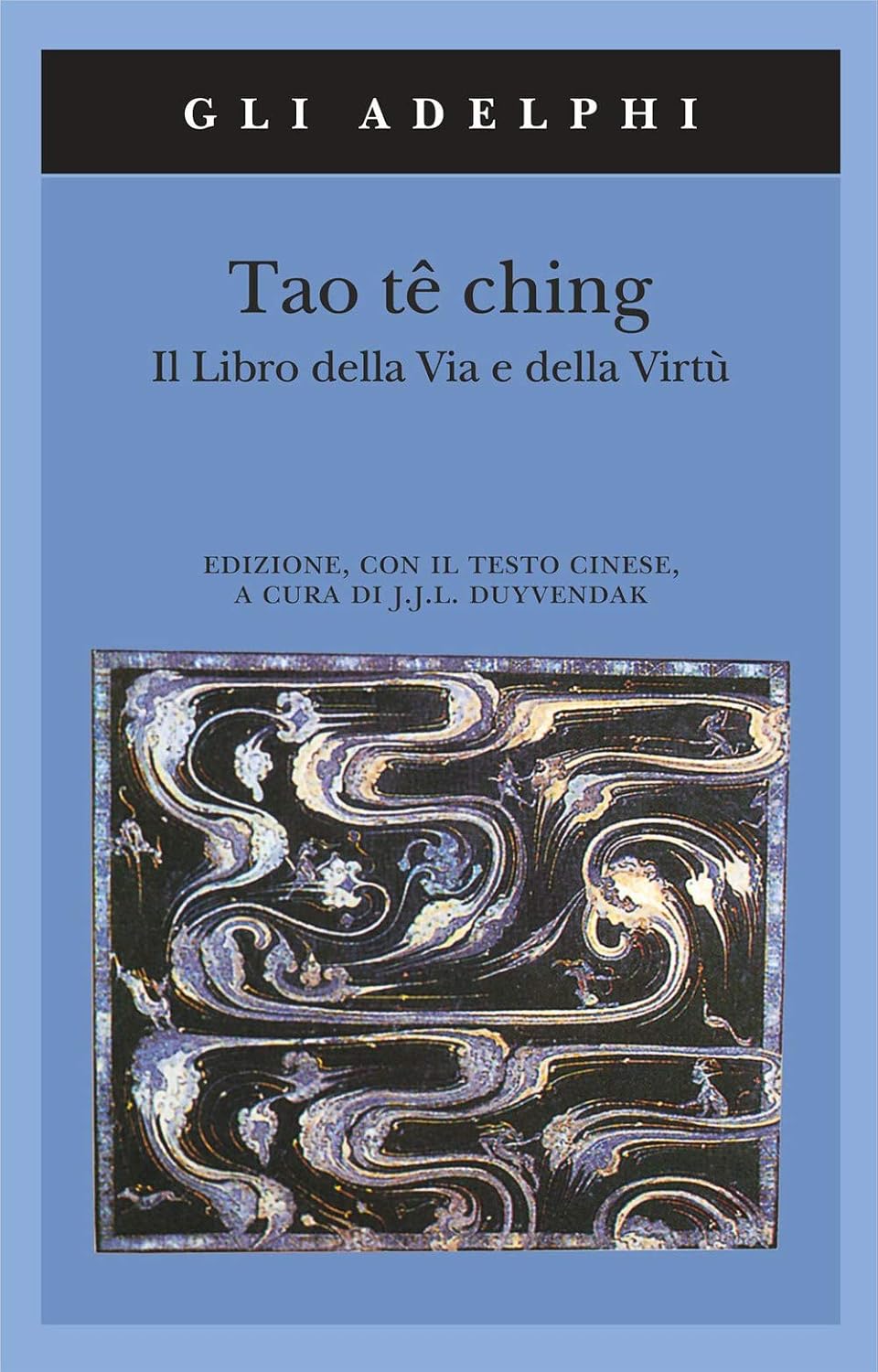
Is this man perhaps following the Dao into another dimension? Dao 道 is the source and fundamental principle of the universe. The concept can be traced far back, to the book Dao De Jing, said to have been written by Lao Zi, "The Old Master," sometime by the end of the fourth century BCE. We know about this Lao Zi, except from what he presents in his book The Way and Its Power. Where Dao has been translated as "the Way" and De as "the Power." However, it is more complicated than that. The words are almost impossible to translate with individual words/concepts from other languages.
Dao can be said to be a society's "right path and norm." Dao is a "natural force", which existed before anything else came into being. Dao exists in itself; it is formless, eternal, omnipresent, and the source of all other existence. While the Universe finds itself in a constant state of change, Dao remains immovable and unchanging. De is the force generated by Dao. The word Dao 道 is hard to grasp, not least because written Chinese charvters are generally both phonetic and ideographic. Western dictionaries have listed at least forty meanings of 道.
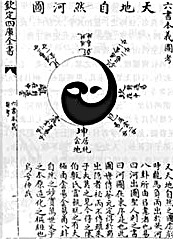
My half-baked reflections on Chinese art and philosophy were awakened a few days ago when I went to the cinema with my friends Rafaello and Chi Mei. They are musicians, and Rafaello, who is indeed Italian, obviously speaks excellent Chinese. After the cinema visit, we started a conversation at a bar about Chinese and its phonetic and visual written language. They talked about the concepts yin and yang, 陰 and 陽opposing cosmic principles/forces that nevertheless complement each other. They interact, interconnect, support, and sustain each other. Through this tension-filled symbiosis, a dynamic system is created where the whole is greater than its smaller and mutually dependent components, while these elements are necessary for the whole's cohesion. Even 陰 and 陽 are difficult to translate; the best metaphor might be to view the words as if yin 陰 stood for the shadow side of a hill, while yang 陽 represented its sunlit side. The meaning of the concepts becomes more evident when you has been accustomed to view the imagery of the Chinese text and is able to link it with its phonetic structure. It is a matter of both knowledge/learning and feeling. While listening to Rafaello and Chi Mei, I felt as if I was listening to a mathematician trying to explain complicated formulas to me (mathematics has always been a closed world to me). Nevertheless, I imagined I could grasp the spirit of it all.
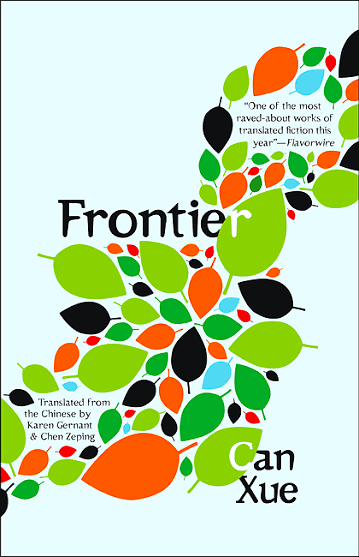
One reason to why I listened so attentively to Raphaello's and Chi Mei's explanations of the Chinese language was that I had recently read Can Xue's novel The Frontier. Reading Can Xue is like stepping into a dream – the characters change age and form, and so does the landscape, which nevertheless has a timeless character. The Pebble Town where the story takes place is not only populated by humans, but also hosts a large number of animals. Especially birds, gecko lizards, butterflies, snow leopards, and various hybrid creatures play a prominent role.
Like the Chinese words I discussed above, the name Can Xue also has different meanings; it can possibly best be translated as "the pure white snow at the top of a mountaintop," or "the dirty snow that never melts." It is a pseudonym that the author Deng Xiaohua uses. Her story is equally hard to grasp, and after my conversation with Rafaello and Chi Mei, I imagined that the novel's strangely dreamlike atmosphere, which is admittedly quite obvious in the English translation I read, was reinforced and deepened by the ambiguity of the original Chinese language.
I have read some modern Chinese novels, which, although like Liu Cixin's science fiction and Nobel laureate Mo Yan's sometimes magical realism, might appear as quite fantastic, they still lack Can Xue's fluid, poetic language and its constantly shifting, elusive perspectives. The reader wonders whether this multifaceted text, with its many digressions and sudden impulses, really should be interpreted, or merely experienced like a dream, without our intellect intervening in the storytelling. Despite its intangibility, there is in The Frontier a kind of sequence of events – they are intersected and deepened through flashbacks, but everything remains strange and diffuse.
The whole thing gives a timeless impression; occasionally a car or bus can be glimpse, but the transports are generally carried out by horse-drawn wagons or rickshaws. China is sometimes mentioned, as well as the Gobi Desert and ethnic groups such as the Uyghurs. A couple of the novel's characters digs ditches in the Smoke City under a red flag, but otherwise references to politics, history, real topography, and the present seem to be absent, unless one considers Pebble Town’s Design Institute, which overshadows the lives of the city's inhabitants, like Kafka's Castle or his incomprehensible bureaucratic structures, as a symbol of the ever-present Chinese State.
The absence of the real Chinese totalitarian State might seem strange, especially considering that Deng Xiaohua's life after her birth in 1953, like the lives so of many other Chinese from her generation, has been almost incomprehensibly harsh. She was one of six children of the editor-in-chief of Hunan's largest daily newspaper. But her parents, like many intellectuals at the time, became " in 1957 labelled as "right-wing deviators, despite of being steadfast members of the Communist Party. Deng's father lost his job and sent into the countryside for two years as punishment for allegedly seducing a group of the newspaper's journalists into becoming regime opponents.
Upon the return of Deng’s father, his family was evicted from their home and had to move to a small hut below Mount Yuelu, on the outskirts of Changsha. In the following years, the family was subjected to severe persecution. The father was imprisoned repeatedly, and the mother was sent along with two of her sons to a remote part of the country for "re-education through labour." Due to her poor health, Deng Xiaohua was allowed to stay behind. After being forced to leave the hut, she lived alone in a small, dark room under a staircase, until her grandmother took care of her. However, the grandmother succumbed to starvation and exhaustion and died suffering from severe oedema.
When the family members finally were reunited, they were forced to fight together for their survival, constantly searching for food, living on the brink of death. They even ate all the woollen clothes found in their home, while Deng nearly died of severe tuberculosis. When the Cultural Revolution began, Deng was thirteen years old and her schooling was interrupted. As an adult, Deng Xiaohua got a job as a metalworker, and after ten years of hard work she left the factory in 1980, after giving birth to her first son. She and her husband then started a small tailoring business. At the beginning of the 2000s, Deng broke through as an author and began publishing her work all over the country, not least essays on Borges, Dante, and Kafka and a number of short stories.
After the situation in China changed and a host of literary events took place, everything came completely naturally to me. Since then, I have been like an exploding volcano.
Deng Xiaohua has now been translated into several languages and is being mentioned as a possible Nobel Prize laureate.
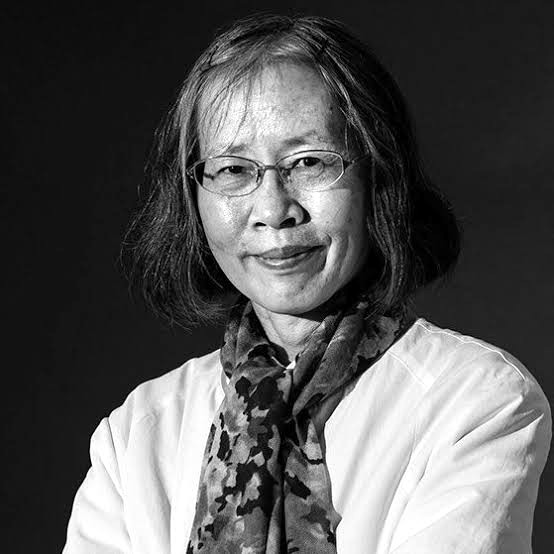
I have never before read anything that resemble Can Xue's novel, possibly Kafka's writings, but his world has nevertheless a kind of fixed structure, a logic of dreams. Can Xue's novel is not adapted to any clear logic, or literary rules taught at universities and writing courses. With her, the reader is helplessly locked into an apparently disordered dream world. Perhaps the author holds the key, but Can Xue herself says that her Pebble Town does not follow any laws or rules, it is "free" and therefore cannot be explained. It seems as if Can Xue has been driven forward almost as if she was obsessed and engaged in a kind of automatic writing. Behind the entire novel structure, however, there is a structure that forces the reader to occasionally turn back the pages of the novel to make sure of what happened before.
There are both beautiful and eerie elements. Inexplicably, a large number of birds can fall from the ceiling of an apartment, forcing its residents to trample living and dead birds. A hotel attendant suddenly grabs a large, poisonous centipede and starts chewing on it. Can Xue provides us with no clues; she neither comments on nor interprets what is happening.
Like the reader, the characters are drawn into Pebble Town, willingly remaining there, bur some struggle to find a way out. Is it Heaven or Hell? The town has a large market and is connected to the outside world by both trains and bus lines. Distances constantly shift; a river flows through the town, it is either without fish (poisoned?) or crystal clear and rich in fish. A multitude of trees, bushes, and flowers thrive there, but there are also large deserted areas. A lush garden that only certain residents can see and visit, and which sometimes seems to float in the air. The city rests in the shadow of Snow Mountain, and its inhabitants depend on the elusive Design Institute with its offices, hospital, and dining halls, but with a completely incomprehensible function. However, the Institute provides livelihood and security for the inhabitants of Pebble Town, several of whom have been attracted there through the Institute’s job advertisements. Many live in its staff housing, while others live in large wooden boxes by the river.
None of these people seem to suffer any distress or noticeable anxiety. They live closely together, no one seems to be alone, but at the same time they are strangely contactless. Like a personal dream, the whole thing is hard to describe and probably must really be experienced through personal reading. There is a poetic dimension to the language, and after my conversation with Rafaello and Chi Mei, I wonder if this could be a result of the Chinese language's divergence from European languages. Perhaps did Can Xue rely on the rich possibilities offered by written Chinese, particularly when it comes to describing a tangible reality and uniting it with a dreamlike dimension.
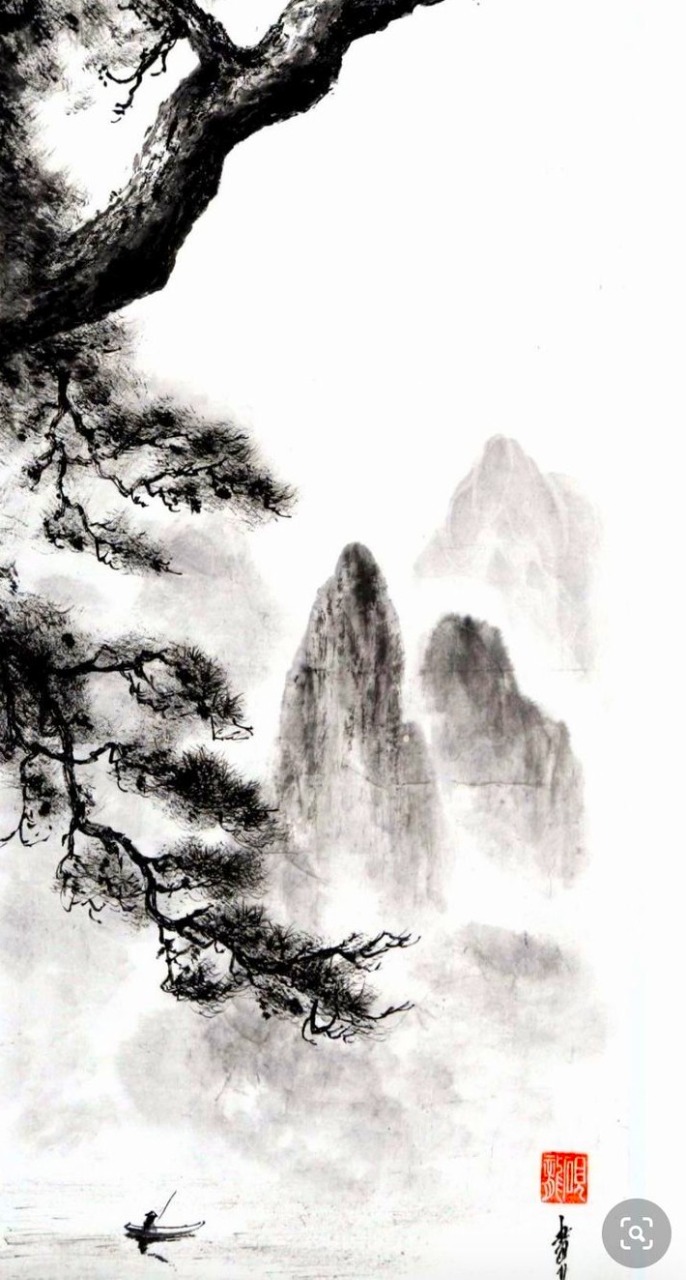
In the 7th century, Li Bai (Li Po) wrote
You ask why I live among the green mountains.
I smile and don't answer; nature has given my heart peace.
Peach blossoms and flowing water drift away into the distance.
Here is another world, far from the realms of humans.
As is the case with so much classical Chinese poetry, this poem has obtained a multitude of translations/interpretations from various European languages.
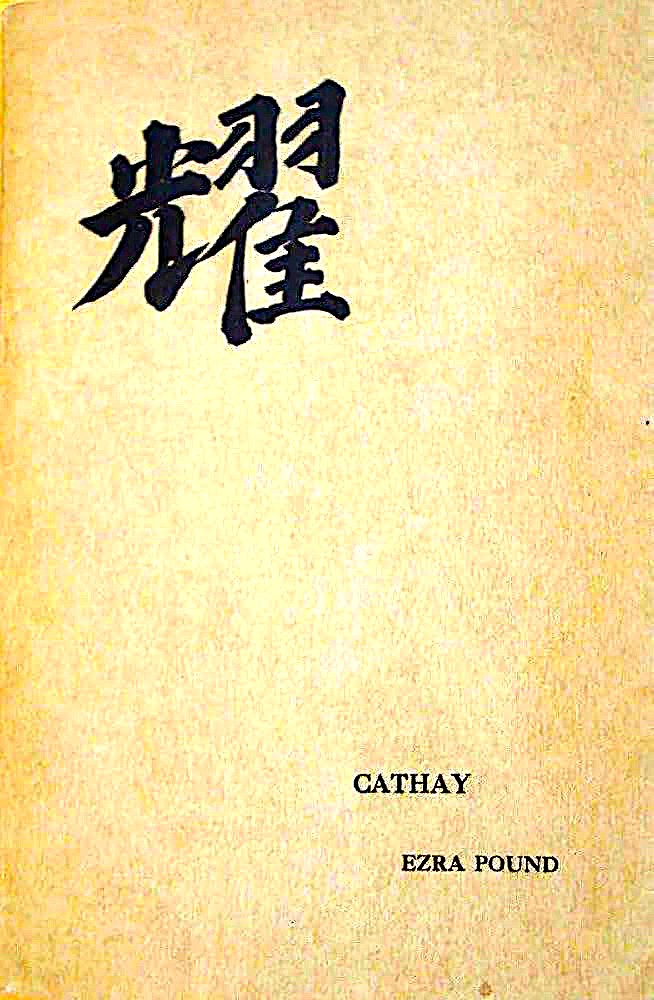
Some interpretations of Chinese poetry have been made by great poets like Goethe, who, without understanding Chinese, wrote a German-Chinese Book about Seasons and Hours inspired by English translations. Ezra Pound also wrote a number of "Chinese" poems and was then assisted by Italian and Japanese scholars. Most of Pound's Chinese poems were actually "influenced" by Li Bai. Both Goethe and Pound gave the impression that they knew more Chinese than they actually did. They were fascinated by a world and a language that actually were foreign to them, and therein lay the inspiration – like Rilke, they sensed a realm beyond their own, where wisdom and joy of life were greater than there.
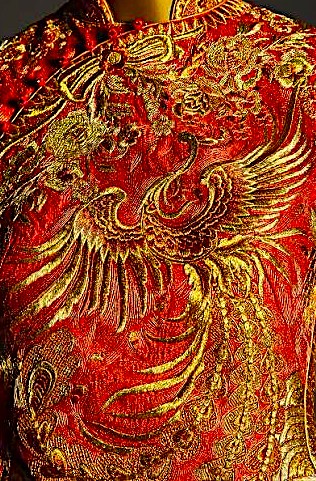
Sweden's multifaceted poet, the great Gunnar Ekelöf, also wrote several poems "translated" or inspired from Chinese, for example his poem Chinese Embroidery, in which he subtly intertwines our inner bodily world with a fictional sphere.
A firebird's nest is the heart
built with twigs of veins
nourished with flames. But the bird
broods there in an even greater
heat. From its breast and sides
the flames seem to fall back. Untouched
it rests on the invisible egg
its wings fanning, its tail-feathers
hanging over the nest's edge. Or it flutters
up for an instant as if to fetch
an insect of thoughts and images, disappearing
into the silk of the air as soon as it has lifted
only visible again when it once more rests
in the flames, smoothing its feathers with its beak.
In the last line of Li Bai's poem – 別有天地非人間 – 天地 can mean "heaven and earth," i.e., cosmos, and 人間 "world of the mortals." Thus, the last phrase would then imply that there is another "heaven and earth" than the "mortals' world." Not that I know – any Chinese, but the above was what I could cobble together with the help of the internet, which is certainly also developing into a parallel world with the help of AI. However, certainly not a world like the one envisioned by Rilke. Despite all the technology and the great changes threatening us, we continue to dream and then step into worlds like those found in Can Xue’s utterly strange novel.
Perhaps we humans are in need of a belief in another reality – one that is more encompassing, yet simultaneously unreachable and incomprehensible. A world we might glimpse through music, art, literature, and dreams – maybe the kind of world that Rilke and Blake tried to describe, or indicate? A belief in something beyond our everyday existence has evidently helped people to survive the most horrific conditions imaginable.
In his recollections of Auschwitz, Se questo è un uomo, If This is a Man, Primo Levi describes the horrors of the camp with an admirable restraint. He brings to life the people who were there, executioners as well as victims, the latter often portrayed with a remarkably “objective” tenderness. He captures it all trough brief, fleeting moments, some marked by terror and dread, others in which human dignity and resilience shone through amidst the terrors of this hell.
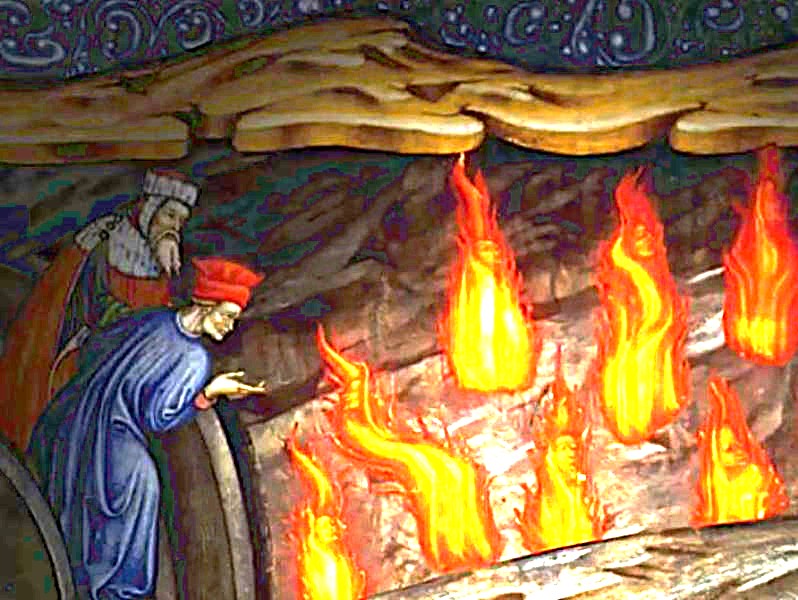
In one episode, while standing in line for a ladle of the camp’s wretched soup, Levi attempts to recall Canto XXVI from Inferno in Dante’s Divine Comedy. He tries to recite a part of it in French to a fellow prisoner, the young Jean Samuel. In this canto, Virgil and Dante encounter Odysseus, who is tormented by being perpetually consumed by a flame, enveloping him from head to toe. Odysseus recounts to Dante how he persuaded his men to sail with him beyond Gibraltar, out onto the open sea, in search of a “world where no human had ever set foot.” Odysseus tells them: Considerate la vostra semenza: / fatti non foste a viver come bruti, / ma per seguir virtute e canoscenza ,“Consider the seed from which you sprang: you were not born to live like beasts, but to pursue virtue and knowledge.”
Throughout his harrowing time in the camp, Levi frequently strove to recall what he had read and could recite by heart; in the face of the camp’s dehumanizing cruelty, this helped him maintain a connection to his language, culture, and humanity. To survive, he sought refuge in the worlds of imagination and art, and whenever possible he tried to bolster the spirits of his fellow prisoners by sharing stories from novels and poetry he had read and remembered. Under the vile conditions in which they all lived, no one could not afford to isolate oneself, doing so would inevitably lead to death.
One person who took note of this was another survivor of the Nazi camps – Viktor Frankl, founder of logotherapy. Logotherapy is a psychotherapeutic approach or method centered on the search for meaning in life, which it posits as the primary human drive. The concept was rooted in Frankl’s own experiences as a prisoner in concentration camps. As a young physician, he began in 1940 working at the Rothschild Hospital in Vienna – the only hospital in the city that still admitted Jewish patients. Before his deportation to the concentration camps in 1942, Frankl helped numerous patients escape the Nazi "euthanasia" program, which systematically killed individuals with mental disabilities.
Frankl and his family were taken to the Theresienstadt concentration camp, where his father died of starvation and pneumonia. In 1944, Frankl and his surviving relatives were transferred to Auschwitz, where his mother and brother were killed in the gas chambers. His wife, Tilly, later died of typhus at Bergen-Belsen. Frankl spent only a short time at Auschwitz before being moved to two other concentration camps.
In his book Man's Search for Meaning , Frankl described his own reactions, as well as those of several other survivors, during their time in the camps. It is important to remember that millions of victims of the Nazi policy of extermination never reached a concentration camp; instead, they were either shot by Einsatzgruppen (mobile killing units) or transported directly to the extermination camps – Sobibór, Treblinka, Bełżec, and Chełmno, which sole purpose was to kill, in the most efficient many possible. men, women and children, the victims were primarily Jews.
Frankl divides the reactions the prisoners experienced during their time in a concentration camp into three stages:
• The shock during the initial phase upon arrival at the camp.
• The apathy that set in once one had grown accustomed to camp life. A state in which the prisoner valued only his/her survival and, perhaps, the assistance you might receive from fellow prisoners. Yet even this could vanish, and be replaced by a raw instinct for self-preservation, or a total sense of resignation that inevitably led to death.
• Depersonalization, moral distortion, bitterness, and disillusionment overwhelmed many of the prisoner, feelings that often persisted even after an eventual liberation.
Frankl concluded that those with the greatest chance of survival were individuals who nourished strong beliefs – most often of a religious nature – convincing them that they had a specific purpose to fulfill, namely to help and care for others. By making this the meaning of their existence, they suck people found the strength and fortitude required for survival. Like Primo Levi, Frankl found solace and guidance in what he had read and learned. In his case, it was a quote by Nietzsche: "He who has a why to live for, can bear almost any how."
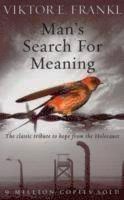
It was in Twilight of the Idols, or How to Philosophize with a Hammer that Nietzsche wrote, verbatim: Hat man sein warum? des Lebens, so verträgt man sich fast mit jedem wie If we have our own why in life, we shall get along with almost any how. In other words, if you have found a meaning in life, you can reconcile yourself to anything that prevents you from altering that conviction. Evidently, the freethinker Nietzsche believed that such a "meaning" could be either "good" or "evil."
Like Frankl, Rilke was an admirer of Nietzsche; his view that it was impossible to achieve genuine contact with his envisioned sphere of angels may well have been influenced by his reading of Twilight of the Idols in which Nietzsche asserted that
A condemnation of life by the living remains in the end a mere symptom of a certain kind of life: the question whether it is justified or unjustified is not even raised thereby. One would require a position outside of life … in order to be permitted even to touch the problem of the value of life. […] Reason enough to grasp that this problem is inaccessible to us. When we speak of values, we speak out of inspiration.
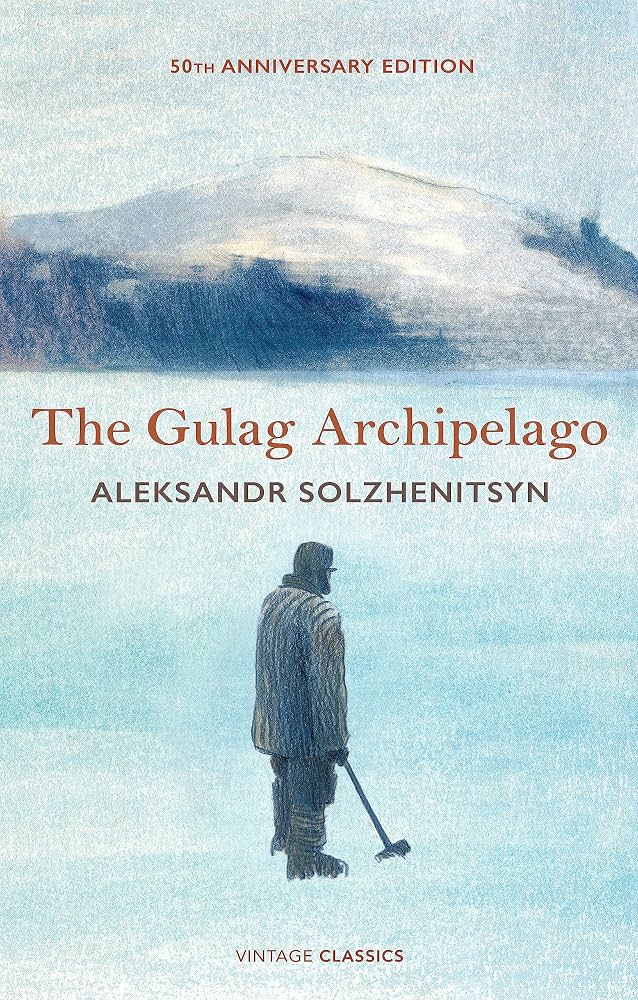
During his time in the Soviet Union’s labour camp, and through his exhaustive investigations into the Soviet penal system, Aleksandr Solzhenitsyn arrived at a conclusion similar to the one Frankl had reached through his own bitter experiences. In his books about the Gulag Archipelago, Solzhenitsyn recounted how Jehovah’s Witnesses and deeply religious Russian Orthodox inmates endured every hardship without being broken, neither physically or mentally. He concluded that religious faith served as the ultimate foundation for human endurance and moral resistance against totalitarianism. Faith is capable of transforming physical suffering into a spiritual awakening. Having, during his time in the Soviet penal camps, Solzhenitsyn had abandoned is earlier belief in Marxism-Leninism in favour of Eastern Orthodox Christianity. Henceforth he maintained that a “transcendent faith in God” granted him the inner freedom that was necessary to withstand state terror and it made him refuse to participate in Communisms systematic lies.
In an environment designed to dehumanize prisoners—reducing them to mere statistical numbers—prayer and spiritual meditation provided the faithful with an unshakable sense of dignity and peace.
He attributed the catastrophic tragedies of the 20th century—including the Russian Revolution—to the fact that humanity had severed its connection with the divine. Solzhenitsyn’s Old Russian patriotism and relentless prophesying often proved a bit too much for his Western patrons and friends—and, following his return to his homeland, for many of his own countrymen as well. Like Rilke, Blake, and other visionary spirits who preached against the way technology debases human existence—and who dreamed of an ideal world beyond human comprehension—Solzhenitsyn was appalled by the decay of the West. He was firmly convinced that the only solution lay within the Christian faith—as he interpreted it. He argued that the catastrophic tragedies of the 20th century, including the Russian Revolution, originated in the fact that “humanity has severed its connection with the divine.”
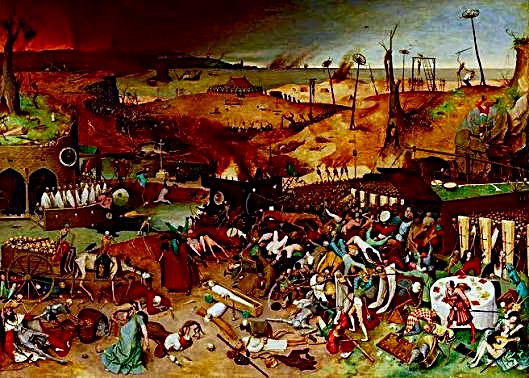
Nevertheless, let us not be misled into imagining that beliefs in an alternative reality are without their dark shadwos. This is evidenced by the immense misery that throughout history has been caused by religious fanaticism and furthermore given rise to murderous, totalitarian regimes such as Nazism and Stalinism. Time and again, catastrophic delusions have drenched the world in blood and subjected millions to entirely unnecessary suffering.
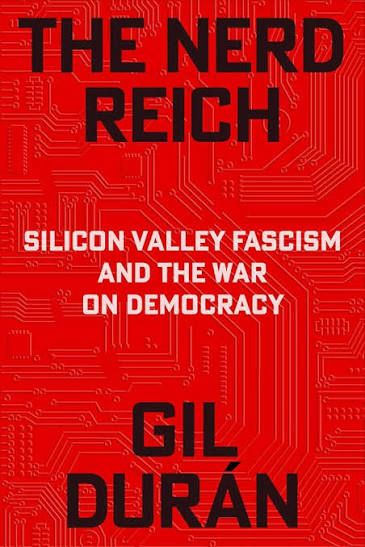
The madness of fanaticism remains a threat even today, not least through an ideology embraced by techno-trillionaires like Elon Musk and Peter Thiel. Blinded by their own success and vast fortunes, they draw inspiration from influencers and fringe philosophers like Curtis Yarvin and Nick Land. Intoxicated by acid and the writings of anti-democratic gurus, such misanthropic nerds have concocted a grim utopia. A deranged dreamland pursued, for the sake of their own sordid gain, by the CEOs of global communication conglomerates that extend their tentacles into every facet of human interaction.
The adherents of this ideology, who appear to view themselves as geniuses standing far above their fellow human beings, apparently regarding the rest of us as pawns in their global power game, or at best as "useful idiots." Their worldwide outlook identifies as a sworn enemy any state that, through taxation and welfare policies, aims to ensure the well-being of every citizen. Instead, these techno-trillionaires strive to bring about an alternative reality, one in which the entire world is governed by CEOs who exert the same control over us as they do over their own corporations.
If states do not curb these individuals’ unbridled drive to enrich themselves, then – according to this line of thinking – it will, in some miraculous way, benefit all of humanity. In the best-case scenario of these trillioaries , states should cease to exist, while the absolute power will rest in the hands of this extremely small group of ultra-wealthy individuals. Unfortunately, there are many signs that this is precisely what is happening just now. “Development” is relentlessly.moving forward.

Alighieri, Dante (2025) The Divine Comedy: Volume One: Inferno translated by Mark Musa. London: Penguin Classics. Baraldi, Barabara e Corrado Roi (2025), "Se la notte chiama", Dylan Dog, Mensile N. 465. Barnhart, Richard M. and Xin Yang (1997) Three Thousand Years of Chinese Painting. New Haven: Yale University Press. Benjamin, Walter (1989) Theses on the Philosophy of History. New York, Schocken Books, 1969. Blake, William (2005) The Complete Poems. London: Penguin Classics. Bodde, Derk and Yu-Lan Fung (1997). A Short History of Chinese Philosophy. New York: Simon and Schuster. Can Xue (2017) Frontier. New York: Open Letter. Durán, Gil ((2026) The Nerd Reich: Silicon Valley Fascism and the War on Democracy. New York: Simon and Schuster. Ekelöf, Gunnar (1971) Selected Poems. Harmondsworth: Penguin Books. Goerz, Tommie (2025) In the Snow. München: Piper Verlag. Levi, Primo (2013) If This Is a Man/The Truce. London: Abacus. Nietzsche, Friedrich (1990) The Twilight of the Idols and the Anti-Christ: or How to Philosophize with a Hammer. London: Penguin Classics. The Qur’an: A new translation by Tarif Khalidi (2009) London: Penguin Classics. Rilke, Rainer Maria (2009) The Poetry of Rilke: Bilingual Edition. Berkeley: North Point Press/ Farrar, Straus and Giroux.
.jpg)
.jpg)
.jpg)
.jpg)
.jpg)
.jpg)